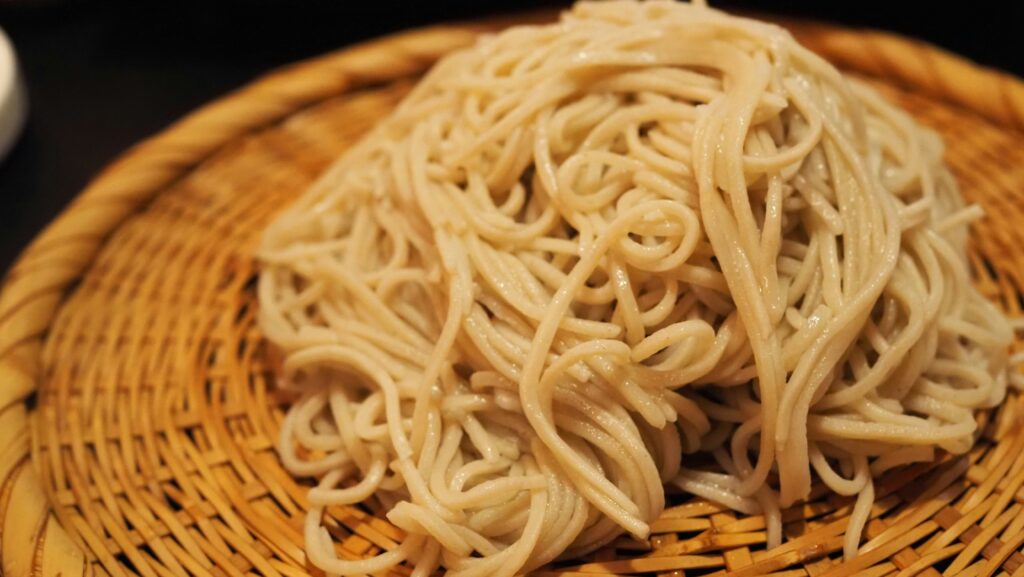
What is Soba?
A Beginner’s Guide to Japanese Soba
Soba is a type of Japanese noodle made mainly from buckwheat flour. Buckwheat is a grain-like seed with a distinctive nutty flavor.
Soba is enjoyed all over Japan, and different regions have their own styles. You may also see different ratios of buckwheat flour and wheat flour, which can change the texture and flavor.
What Does the Soba Percentage Mean?
You may see numbers such as 80% or 100% when looking at soba. These numbers show how much buckwheat flour is used compared with wheat flour.
Hachiwari Soba(八割そば)
Hachiwari means 80%. Hachiwari soba is made with about 80% buckwheat flour and 20% wheat flour. It’s a common style of soba and often has a balanced texture and flavor.
Juwari Soba(十割そば)
Juwari means 100%. Juwari soba is made with 100% buckwheat flour. It usually has a stronger buckwheat flavor and a different texture from soba made with wheat flour.
Why I Love Soba
I prefer cold soba because I like its firm texture. Hot soba is softer, while cold soba keeps more of its texture. For me, that firm and refreshing texture is one of the best things about soba.
Cold or Hot?
Cold Soba
Cold soba is usually served with a separate dipping sauce or a sauce poured directly over the noodles. It’s especially popular during warmer months.
Hot Soba
Hot soba is served in a warm soup. It’s especially comforting in colder weather and is often served with toppings such as tempura, green onion, or spicy chili powder.
Popular Types of Soba
Zaru Soba(ざるそば)
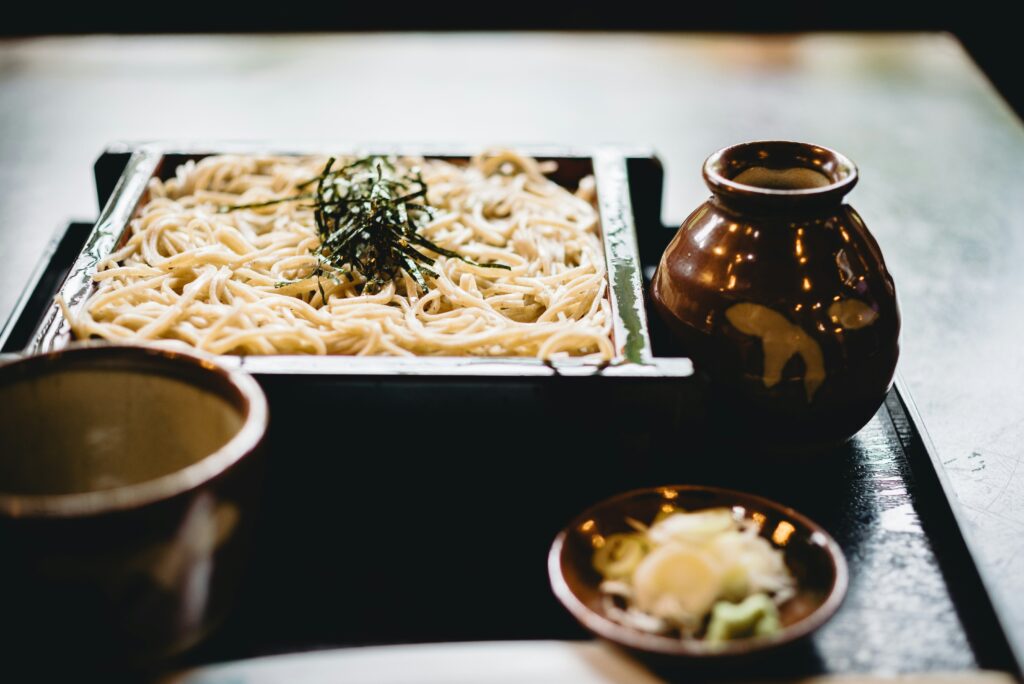
Cold soba served on a bamboo tray with a separate dipping sauce called tsuyu.
Mori Soba(もりそば)
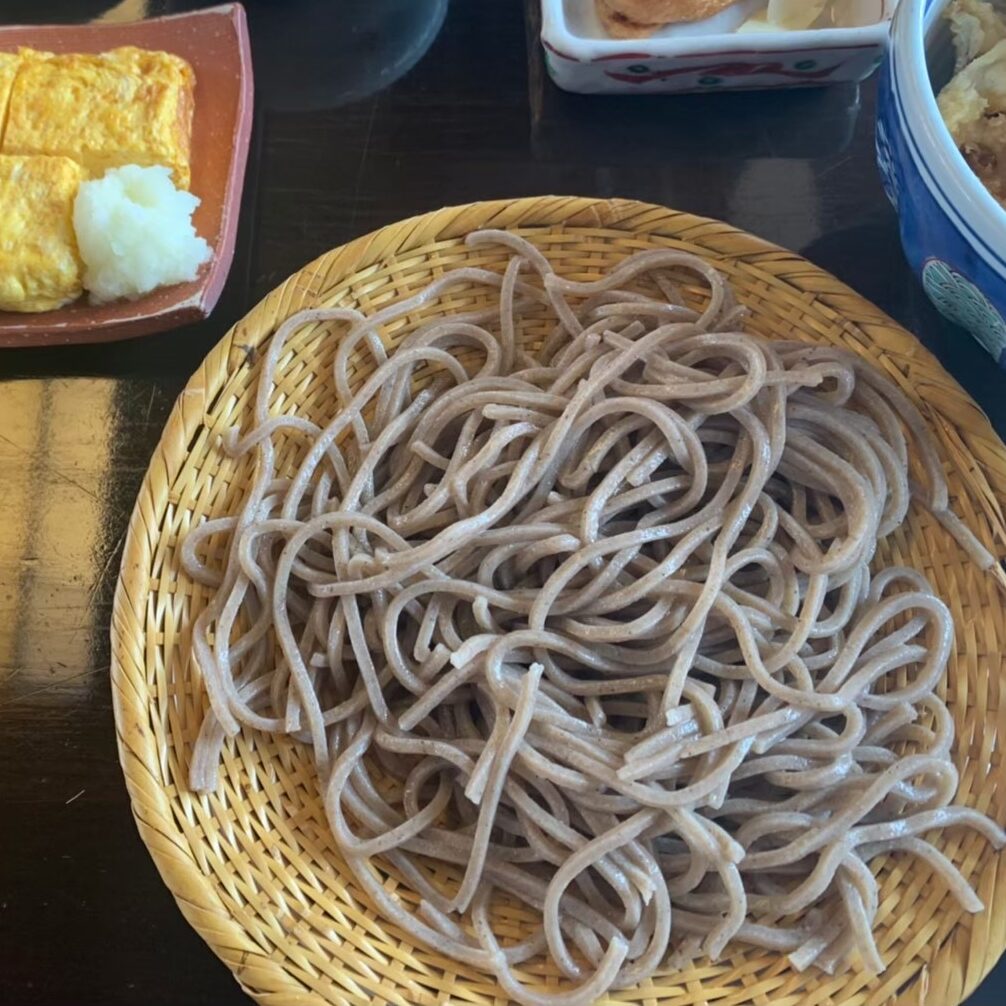
Another common style of cold soba served with a separate dipping sauce.
Bukkake Soba(ぶっかけそば)
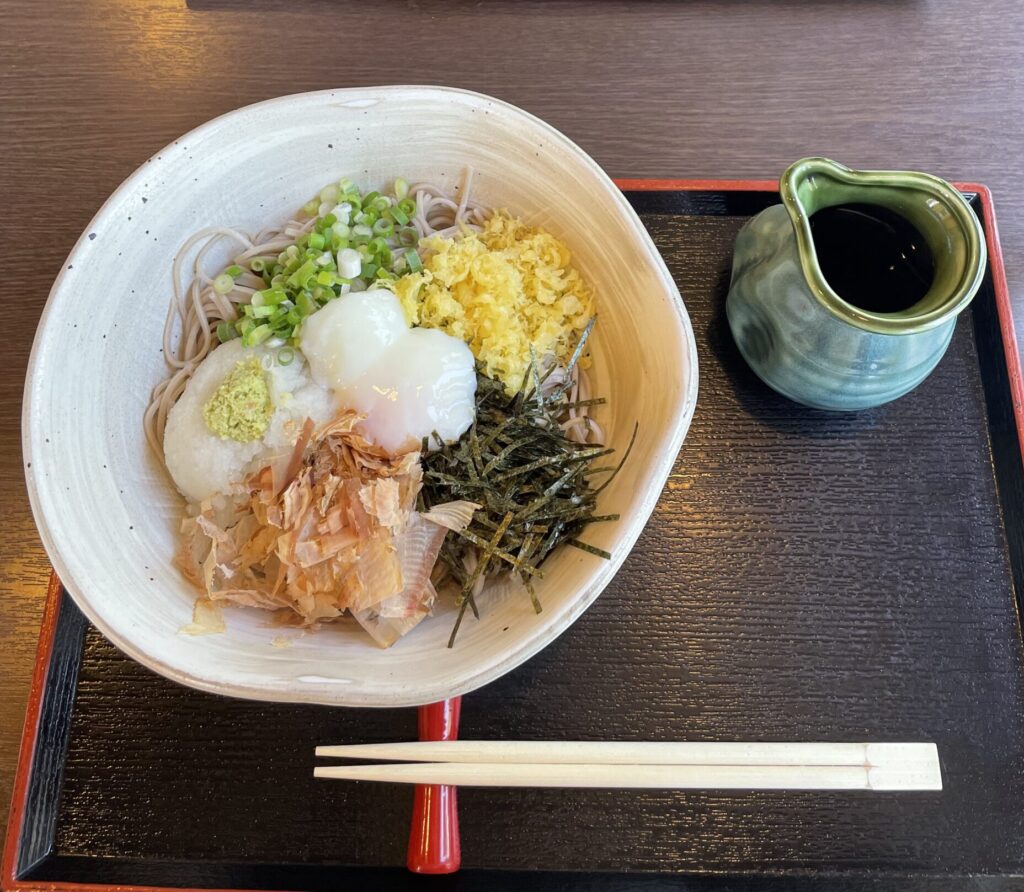
Cold soba served with a flavorful sauce poured directly over the noodles. It’s easy to eat because you do not need a separate dipping bowl.
Kake Soba(かけそば)
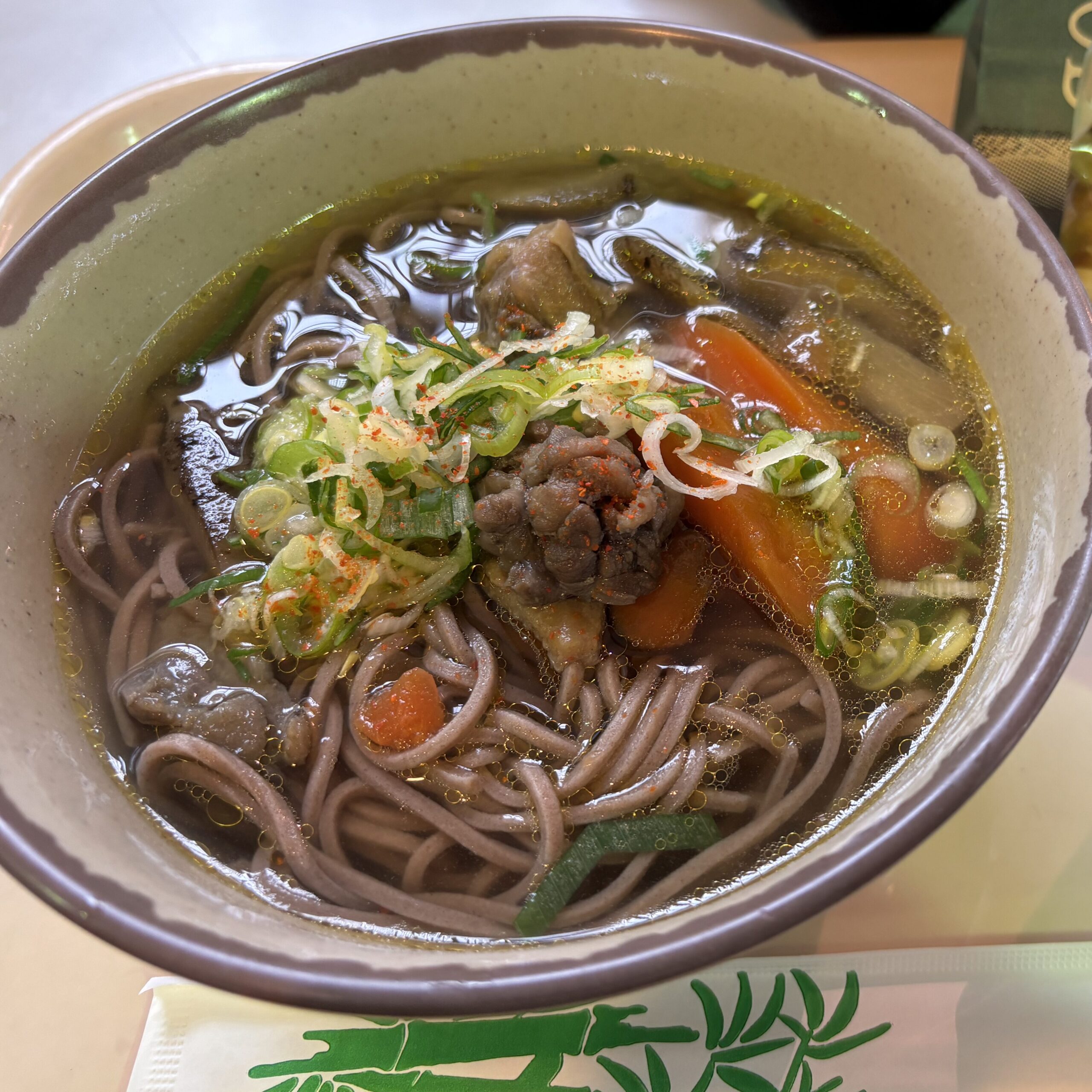
Soba served in a warm dashi-based soup. It’s a simple and classic way to enjoy hot soba.
Tempura Soba(天ぷらそば)
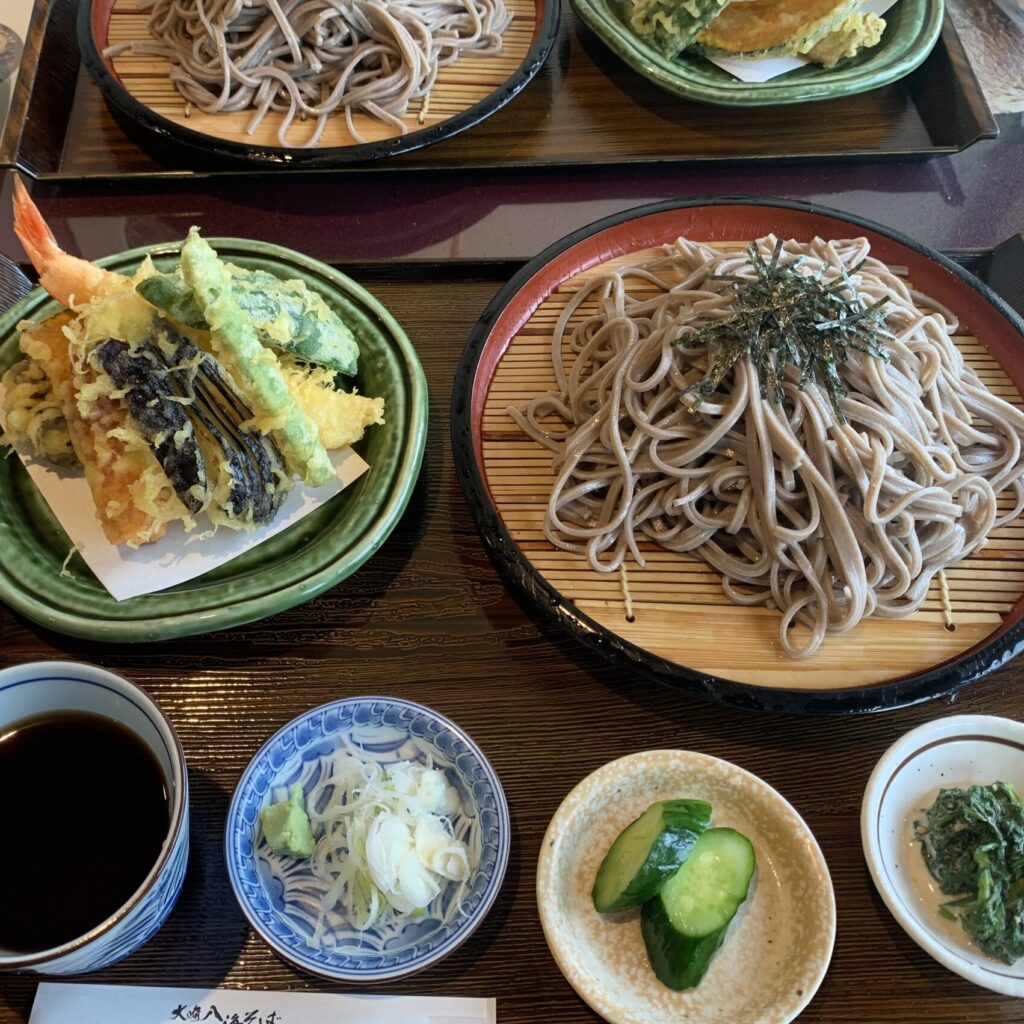
Soba served with tempura, often shrimp or vegetables. The tempura can be served on top of the noodles or separately.
Kitsune Soba(きつねそば)
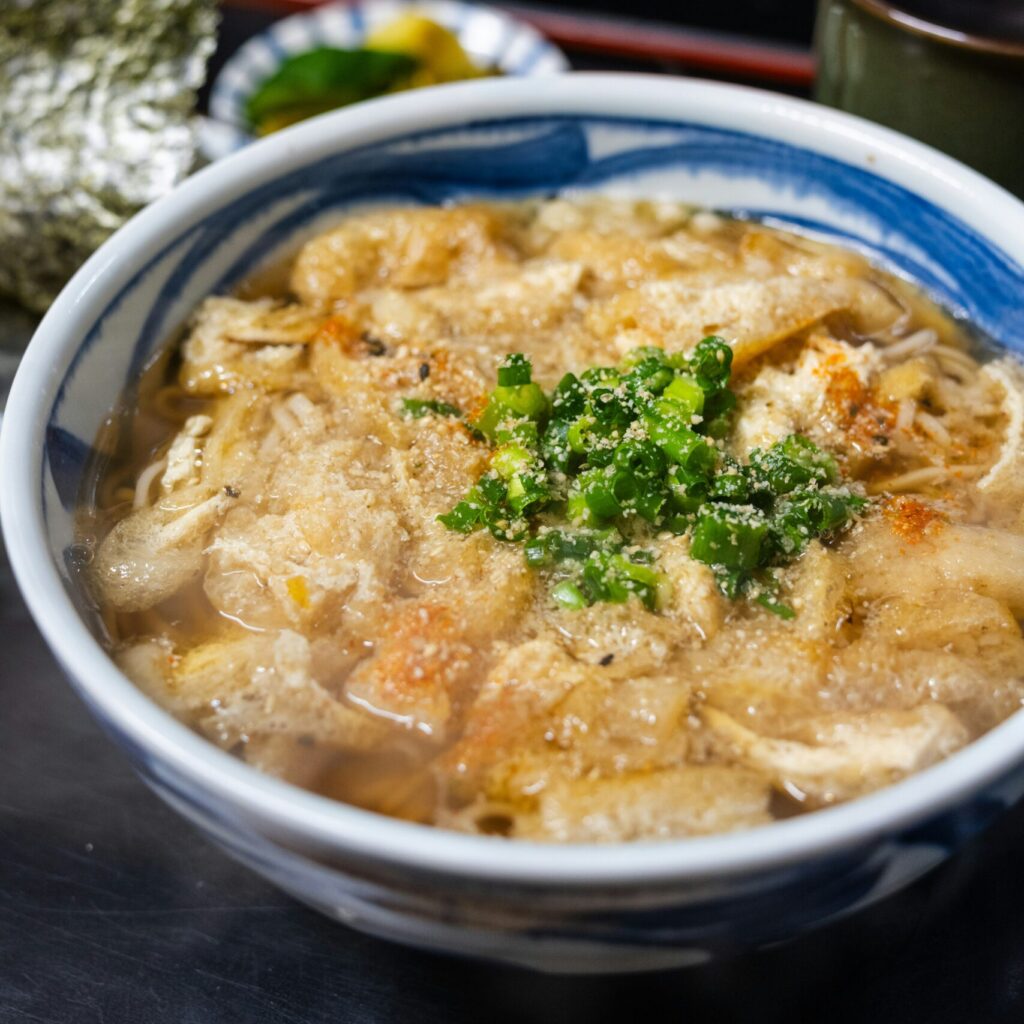
Hot soba topped with abura-age, a sweet and savory fried tofu pouch.
Tanuki Soba(たぬきそば)
A type of soba topped with tenkasu, small pieces of crispy tempura batter. The meaning of “tanuki soba” can vary by region.
How to Eat Cold Soba
① Pick Up a Small Amount of Soba
Use your chopsticks to pick up a small amount of noodles.
↓
② Dip the Noodles Lightly into the Dipping Sauce
Dip only part of the noodles into the sauce. You do not need to put the whole serving into the bowl.
↓
③ Enjoy the Soba!
Take a bite and enjoy the flavor and texture of the noodles. Slurping noodles is common and acceptable in Japan.
💫 If you like the taste of wasabi, you can mix a little into the dipping sauce. Start with a small amount and add more if you like.
Soba-yu(そば湯)
After eating cold soba, some restaurants serve soba-yu, the hot water used to cook the noodles. It’s often poured into the remaining dipping sauce and enjoyed as a warm drink.
Common Soba Condiments
Cold soba is often served with small portions of wasabi and green onion. Depending on the dish or restaurant, you may also see grated daikon or other toppings. Add them to your taste.
Regional Soba in Japan
Soba has many regional styles across Japan. The ingredients, texture, serving style, and local traditions can be different from one area to another.
Wanko Soba(わんこそば) — Iwate
Wanko Soba is a fun local specialty from Iwate Prefecture. Small portions of soba are served one after another, so you can keep eating until you are full. It is a unique way to enjoy soba and a memorable experience for visitors to Japan.
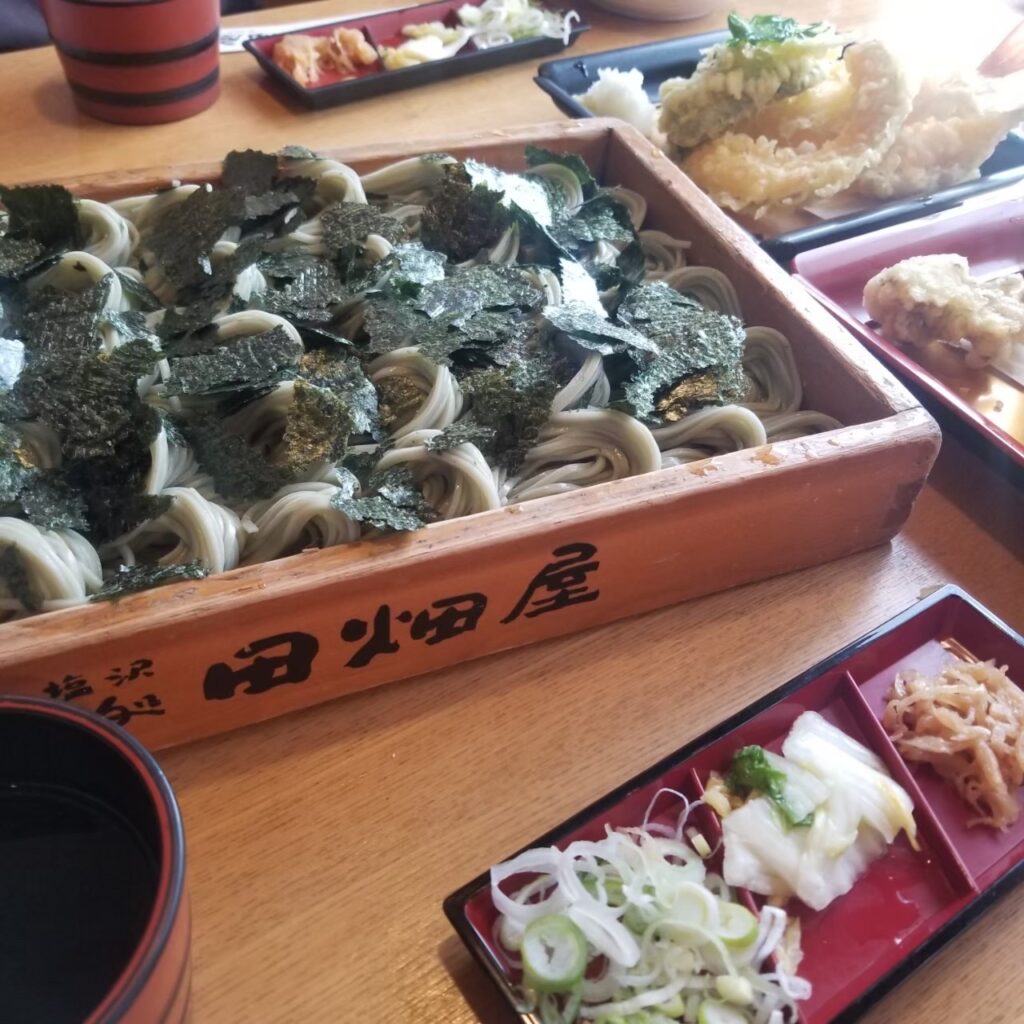
Hegi Soba(へぎそば) — Niigata
Hegi Soba is a local specialty from Niigata Prefecture. Seaweed is added to the soba dough, giving the noodles a smooth and slightly different texture. It is traditionally served in a wooden tray called a “hegi.”
Togakushi Soba(戸隠そば) — Nagano
Togakushi Soba is a famous local style from Nagano Prefecture. The noodles are often served in small bundles, creating a distinctive appearance and making them easy to pick up with chopsticks.
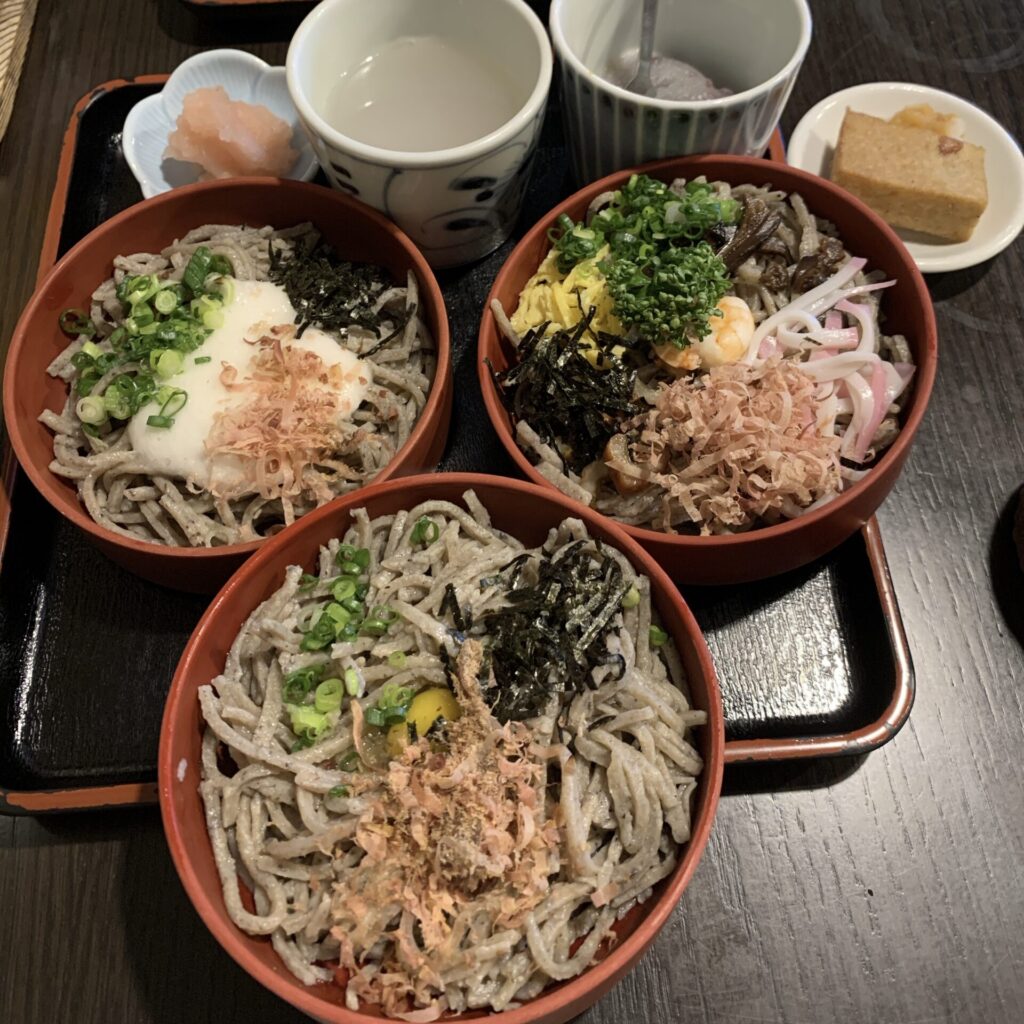
Izumo Soba(出雲そば) — Shimane
Izumo Soba is a traditional style from Shimane Prefecture. The noodles are darker in color and have a rich buckwheat flavor. They are often served in stacked round bowls called “warigo.”
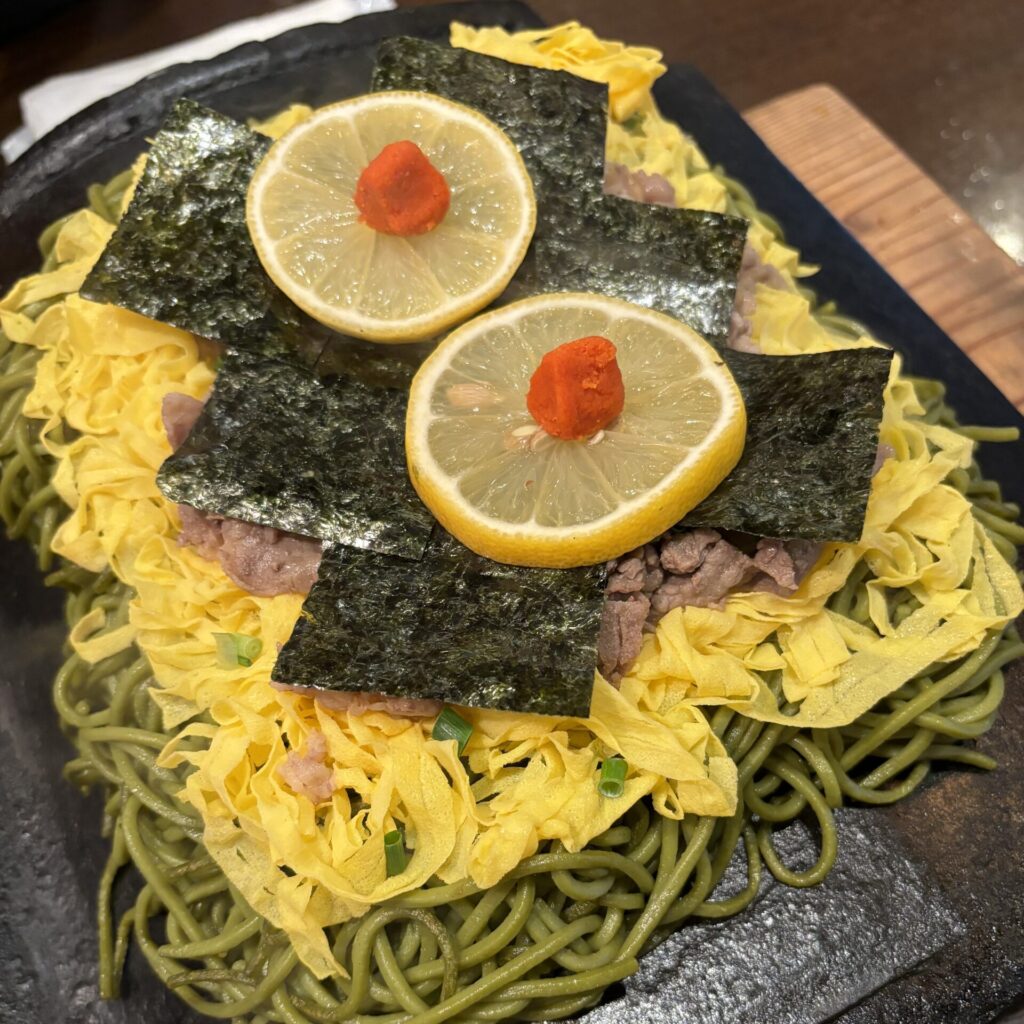
Kawara Soba(瓦そば) — Yamaguchi
Kawara Soba is a unique dish from Yamaguchi Prefecture. Green tea is added to the noodles, which are cooked on a hot roof tile. It is usually served with beef, egg, green onion, and lemon.
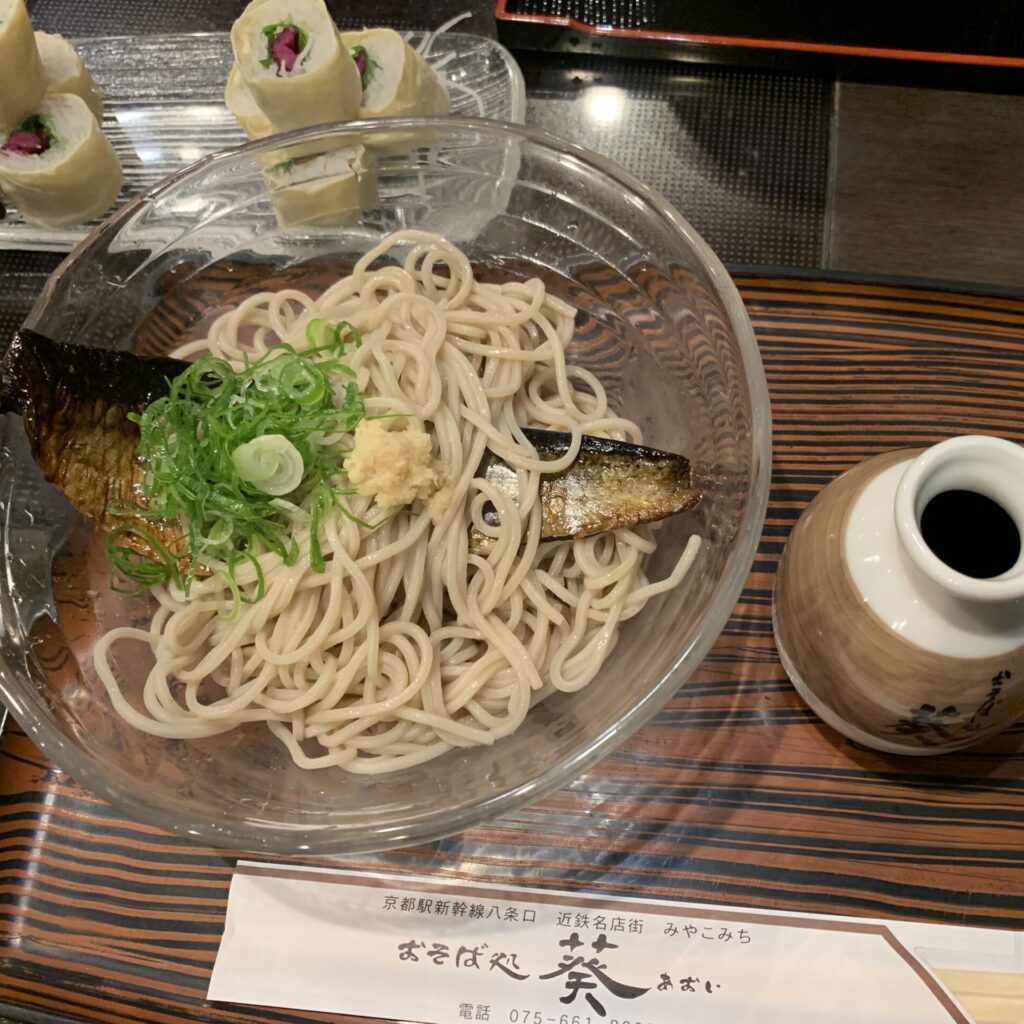
Nishin Soba(にしんそば) — Kyoto
Nishin Soba is a traditional Kyoto-style soba topped with sweet and savory simmered herring. It is especially associated with Kyoto’s traditional food culture.
Toshikoshi Soba(年越しそば)
Many people in Japan eat Toshikoshi Soba on New Year’s Eve. The long noodles are associated with wishes for a long life, good luck, and a fresh start for the new year.
Dietary Information
Gluten-Free
Buckwheat itself does not contain gluten, but many soba noodles also contain wheat flour. Soba is not automatically gluten-free. If you need to avoid gluten, check the ingredients and ask the restaurant.
Vegetarian & Vegan
The noodles may be vegetarian or vegan, but the dipping sauce and soup can contain fish-based dashi. Check the ingredients and toppings before ordering.
Buckwheat Allergy
Buckwheat can cause allergic reactions in some people. If you have a buckwheat allergy, always check with the restaurant before ordering.
My Tip for First-Time Soba Eaters
If it’s your first time trying soba in Japan, I recommend starting with cold soba with a dipping sauce. You can enjoy the texture of the noodles and learn the traditional way of eating them.
Enjoy a local soba experience! 🥢