Sushi You Should Try in Japan 🇯🇵
A guide to unique and less familiar sushi you may find in Japan
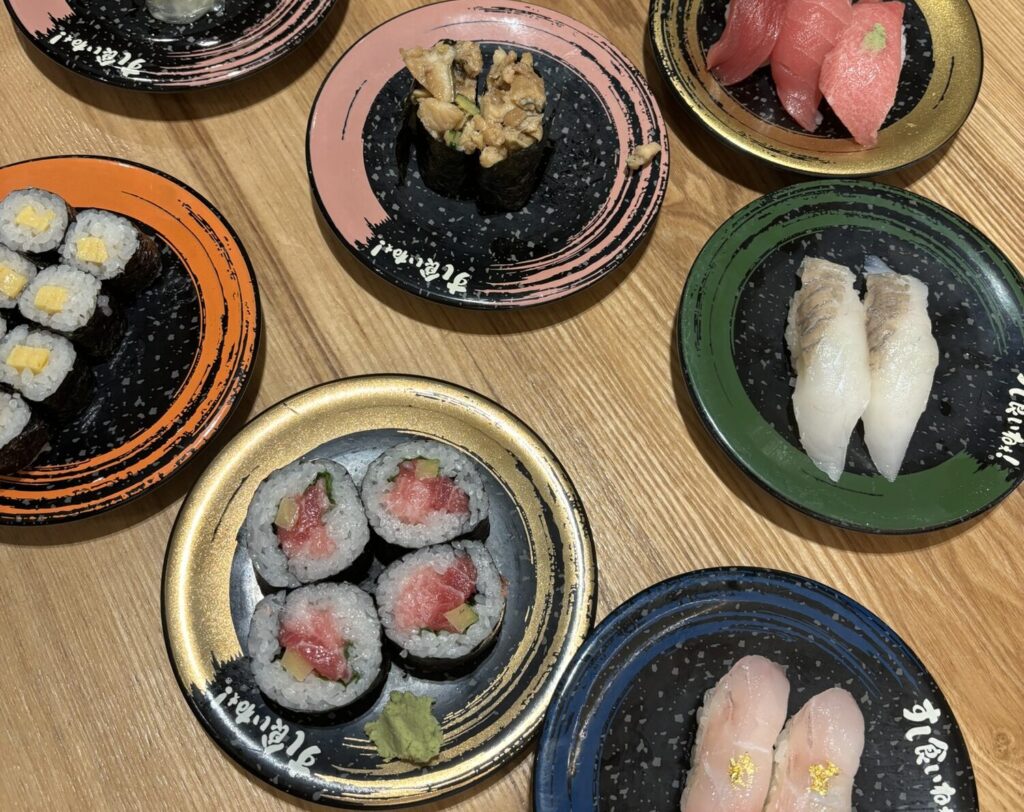
When you visit a sushi restaurant in Japan, you may find some sushi you’ve never seen before. From unusual fillings to different styles of sushi, there are many things that may surprise you. This guide introduces some sushi you may want to try at conveyor belt sushi restaurants and traditional sushi restaurants in Japan. It can also help you when you see something on the menu and aren’t sure what it is.
Sushi to Try in Japan
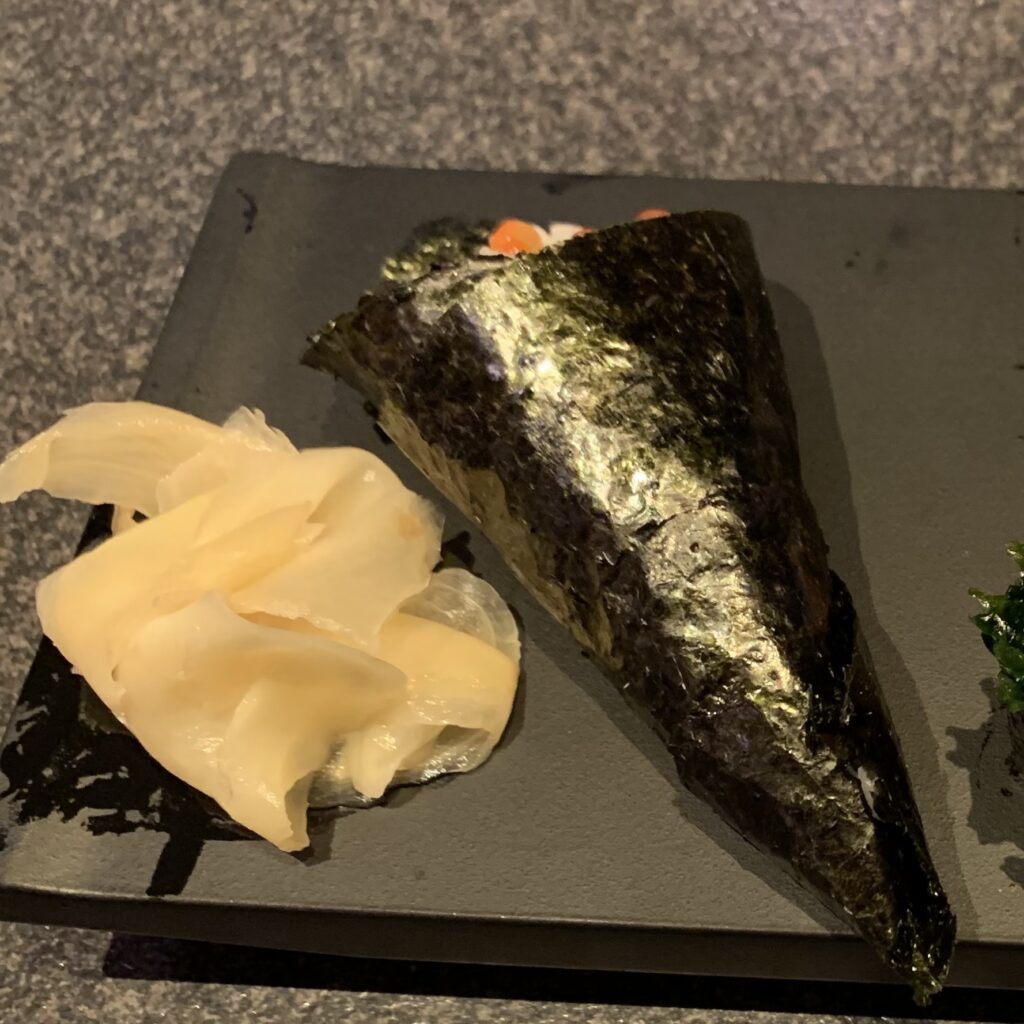
Temaki (手巻き寿司)
What it is Cone-shaped sushi wrapped in nori
How to eat Usually eaten with your hands
Kappa-maki (かっぱ巻き)
Inside Cucumber
Taste Fresh and crunchy
Tekka-maki (鉄火巻き)
Inside Tuna
Taste Simple and rich in flavour
Kanpyo-maki (かんぴょう巻き)
Inside Simmered dried gourd strips
Taste Sweet and savoury
Oshinko-maki (おしんこ巻き)
Inside Pickled daikon radish
Taste Crunchy, salty and slightly sour
Natto-maki (納豆巻き)
Inside Natto, fermented soybeans
Taste Strong, savoury and sticky
Negitoro-maki (ねぎとろ巻き)
Inside Minced tuna and spring onion
Taste Rich, soft and savoury
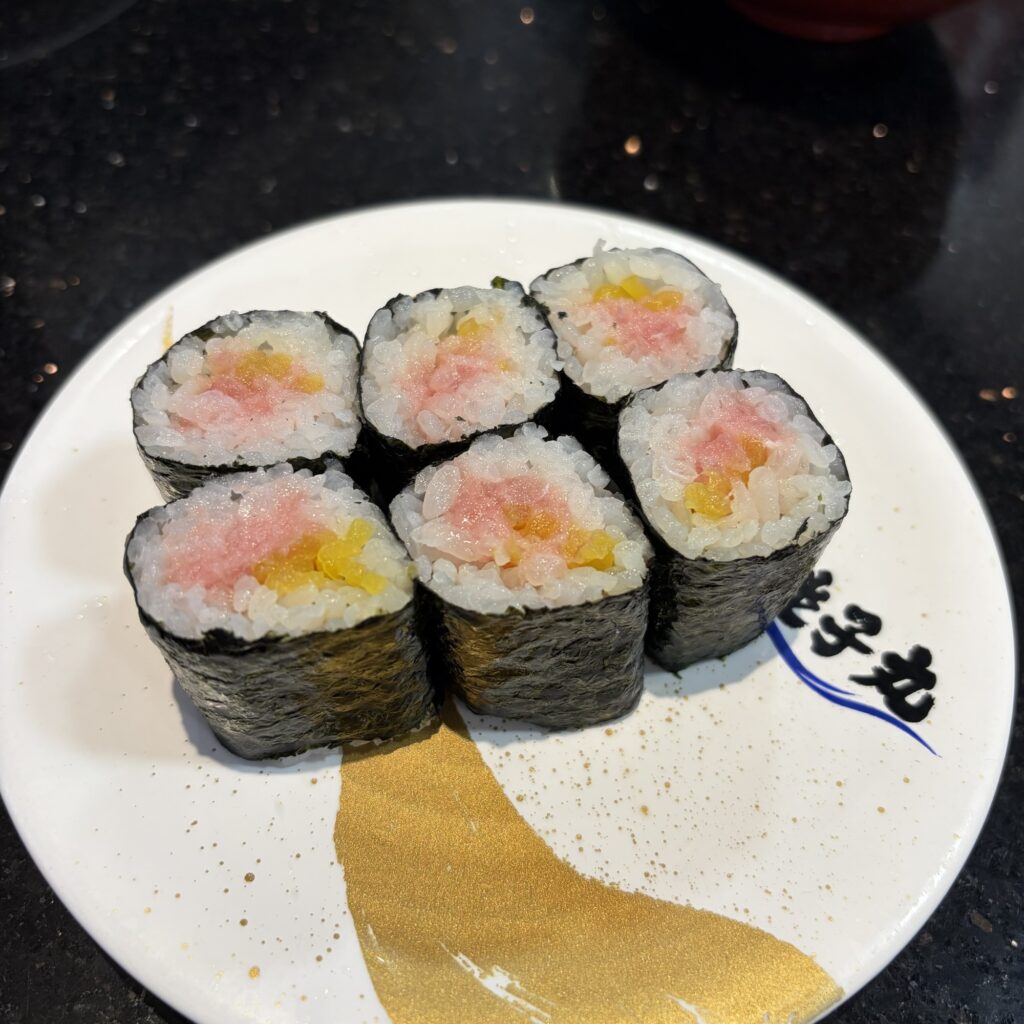
Toro-taku-maki (トロたく巻き)
Inside Fatty tuna and pickled daikon
Taste Rich, creamy and crunchy
Wasabi-maki (わさび巻き)
Inside Wasabi
Good to know It’s also called Namida-maki because the strong wasabi can make your eyes water
Gunkan-maki (軍艦巻き)
Gunkan-maki is a type of sushi where nori is wrapped around the rice to hold soft or loose toppings.
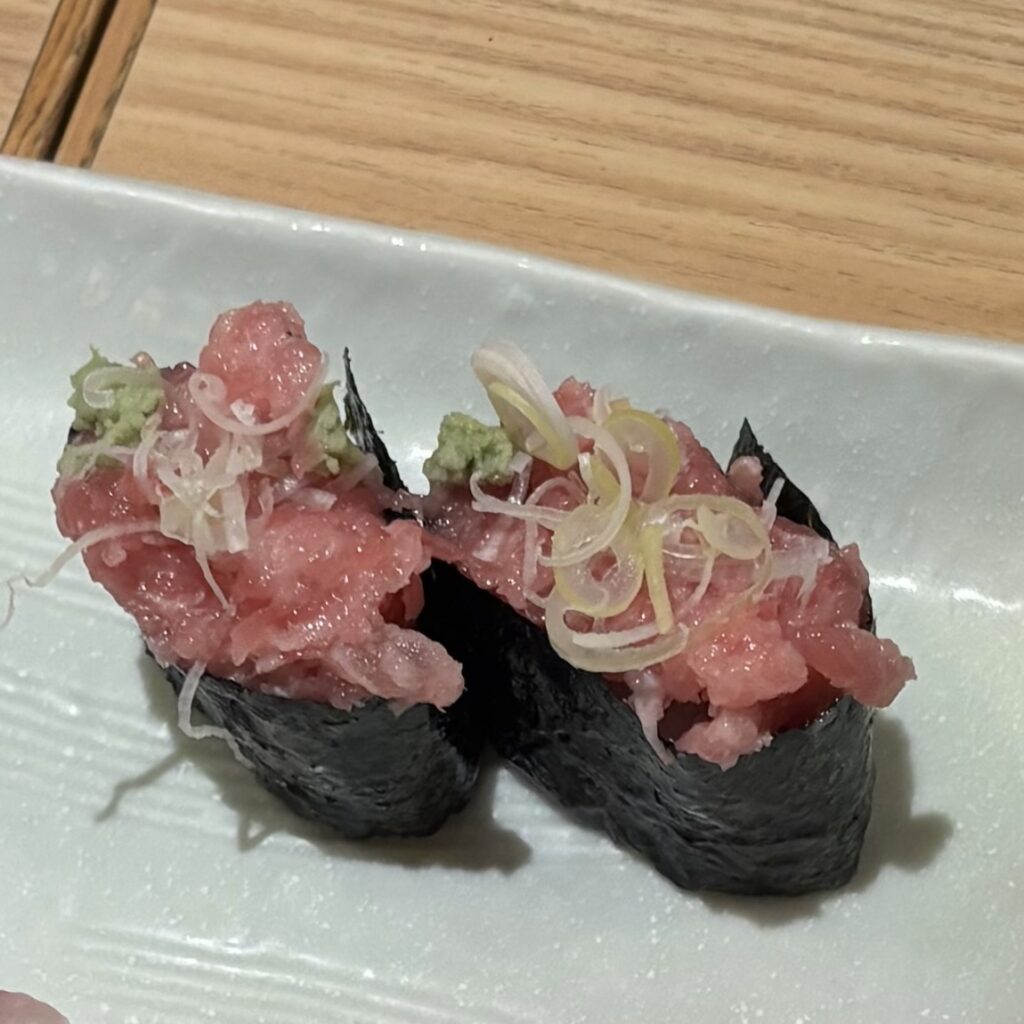
Negitoro Gunkan (ねぎとろ軍艦)
Topping Minced tuna and green onion
Taste Rich, soft and savoury
Tuna Yukke Gunkan (マグロユッケ軍艦)
Topping Tuna mixed with a savoury sauce, often with soy sauce, sesame oil and garlic, topped with egg yolk
Style Gunkan-maki with a rich, savoury and slightly sweet tuna topping
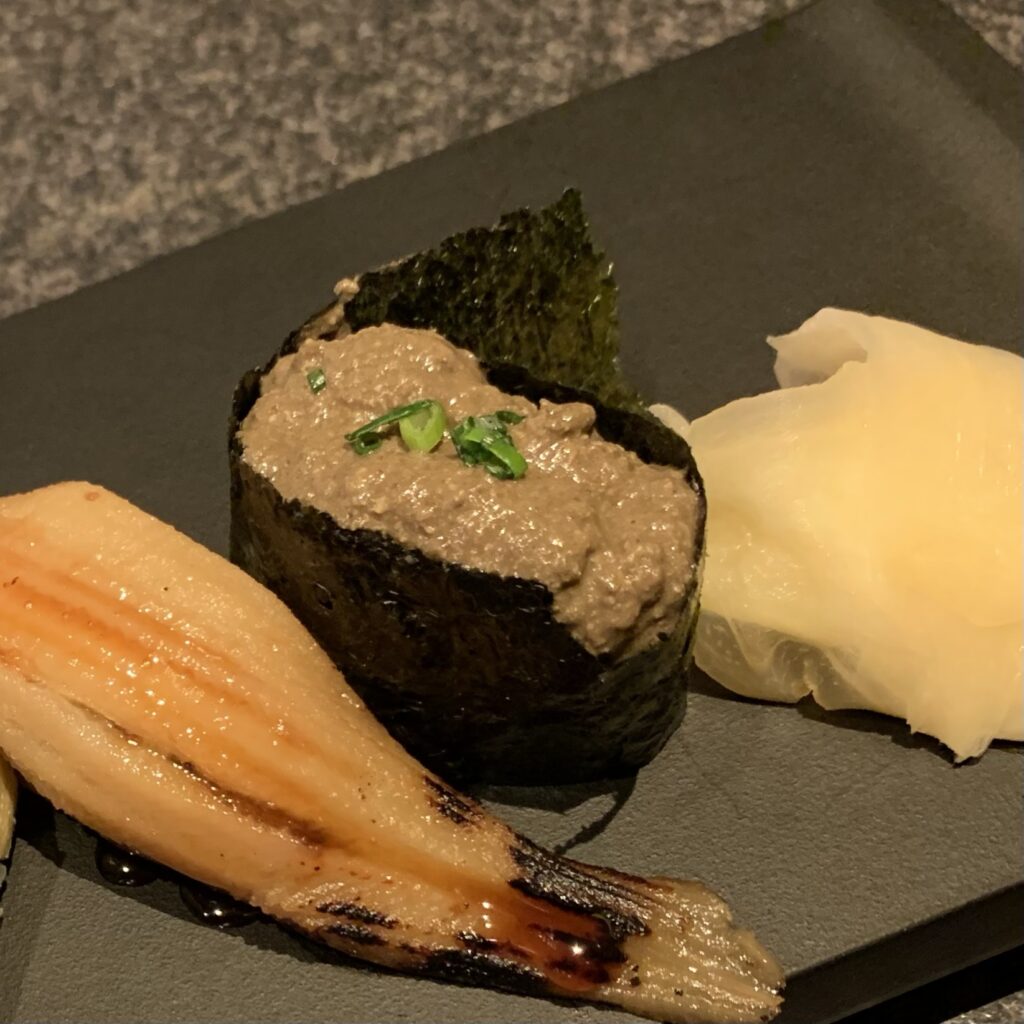
Kani Miso Gunkan (かに味噌軍艦)
Topping Kani miso, a rich crab ingredient
Taste Rich and savoury
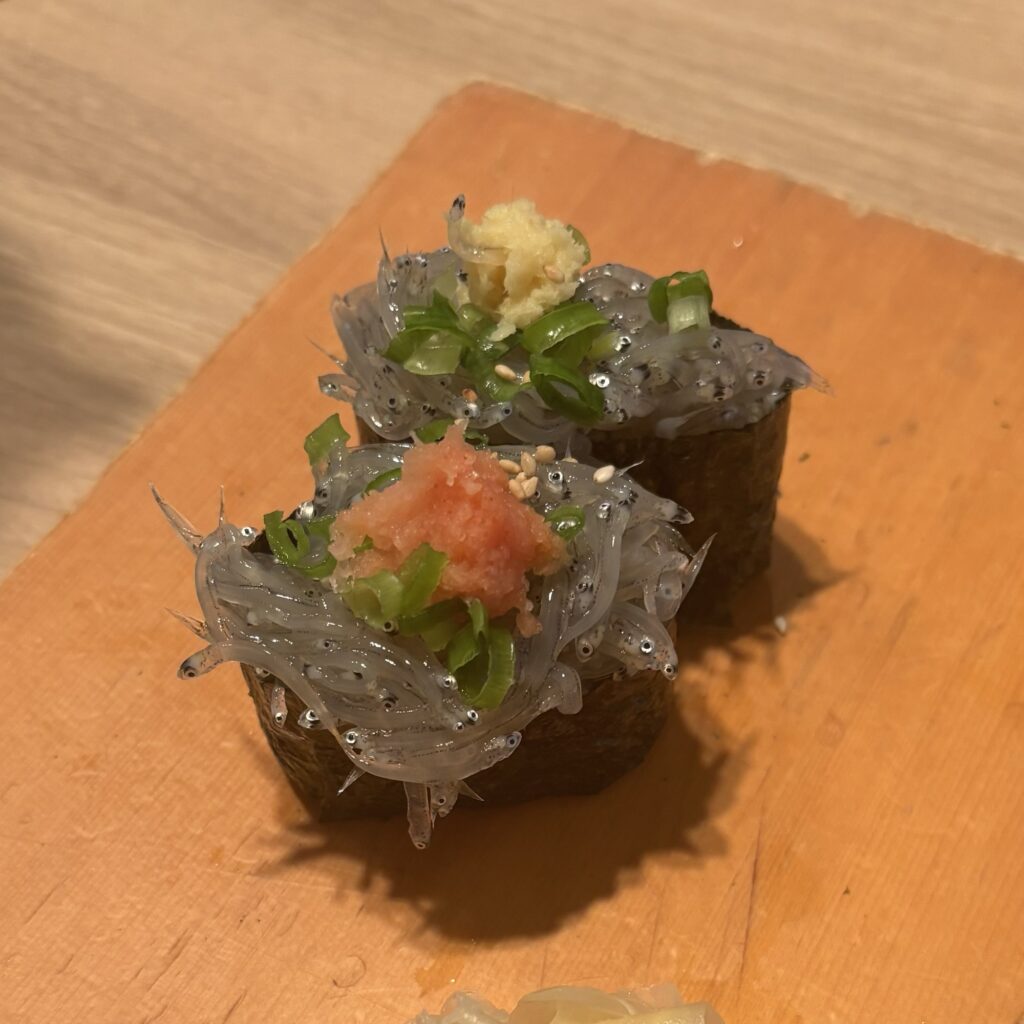
Raw Shirasu Gunkan (生しらす軍艦)
Topping Raw whitebait
Taste Soft, fresh and delicate
Ikura Gunkan (いくら軍艦)
Topping Salmon roe
Taste Salty, rich and popping in your mouth
Other Sushi to Try 🍣
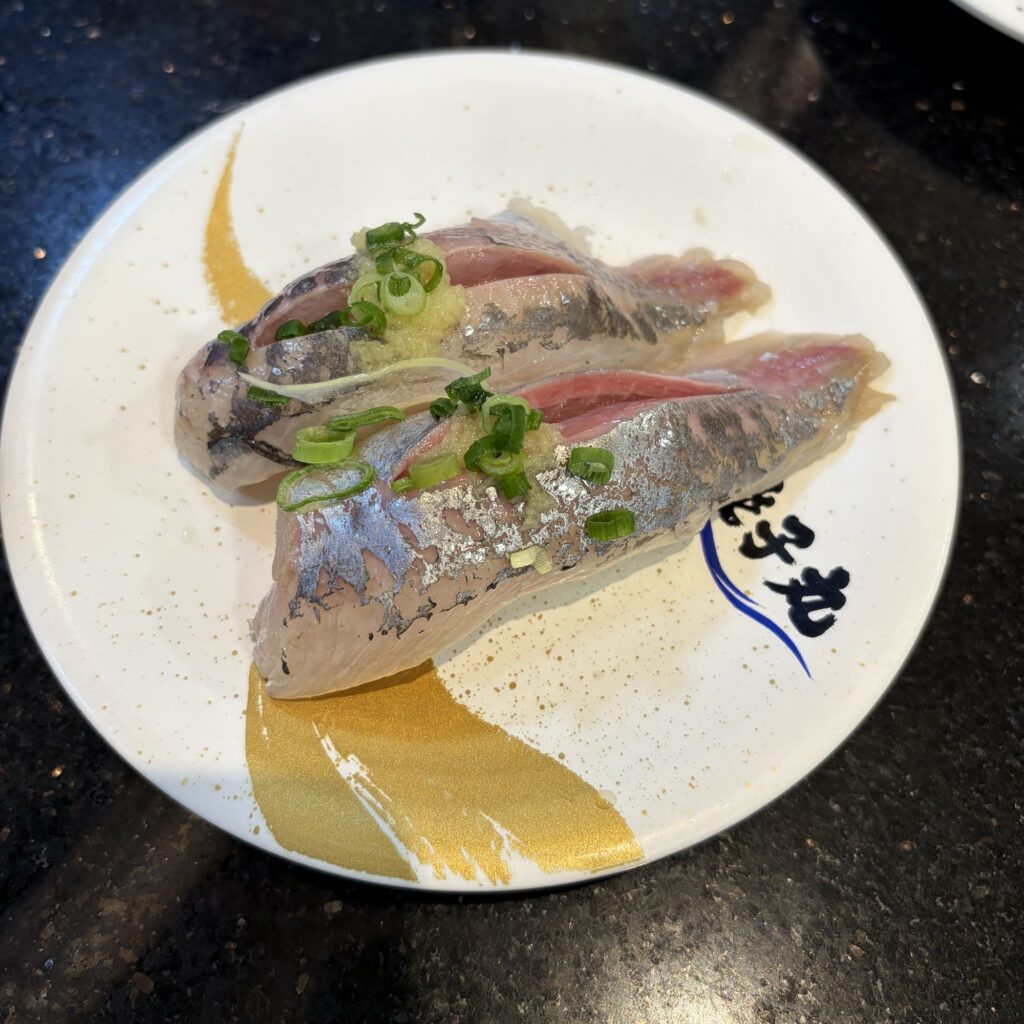
Hikarimono (光り物)
What it means A Japanese term for silver-skinned fish
Examples Kohada, sardine and horse mackerel
Saba Oshizushi (鯖の押し寿司)
What it is Pressed sushi topped with vinegared or cured mackerel
Taste Tangy, rich and distinctive
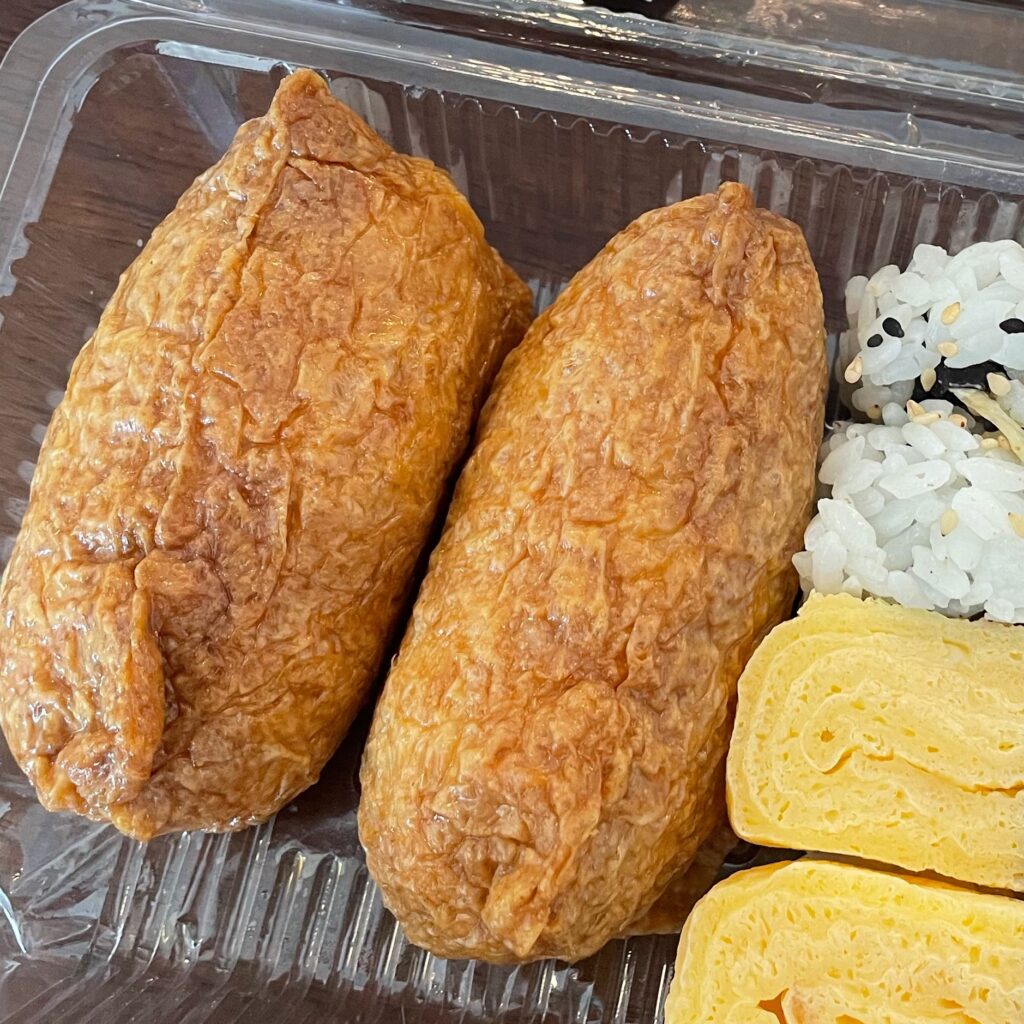
Inari-zushi (いなり寿司)
What it is Seasoned fried tofu pouch filled with sushi rice
Taste Sweet and savoury
Chirashi-zushi (ちらし寿司)
What it is Sushi rice topped with a variety of ingredients
Good to know The toppings can vary depending on the restaurant and region
Sushi Condiments & Accompaniments
Sushi isn’t always eaten with just soy sauce and wasabi. Depending on the restaurant and the sushi, you may find other seasonings and accompaniments.
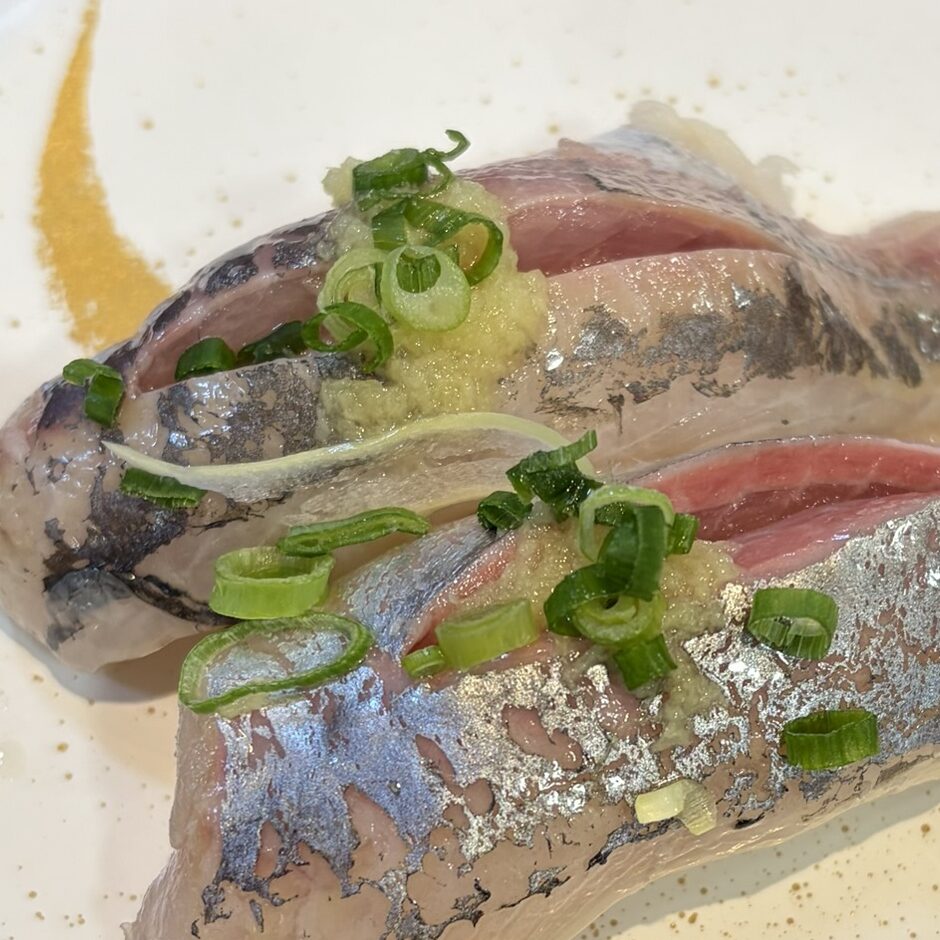
Grated Ginger (おろししょうが)
Use Often enjoyed with oily or silver-skinned fish to add a fresh, spicy kick
Good to know When grated ginger is served with sushi, wasabi may not be added to that piece

Wasabi (わさび)
Taste Sharp and spicy
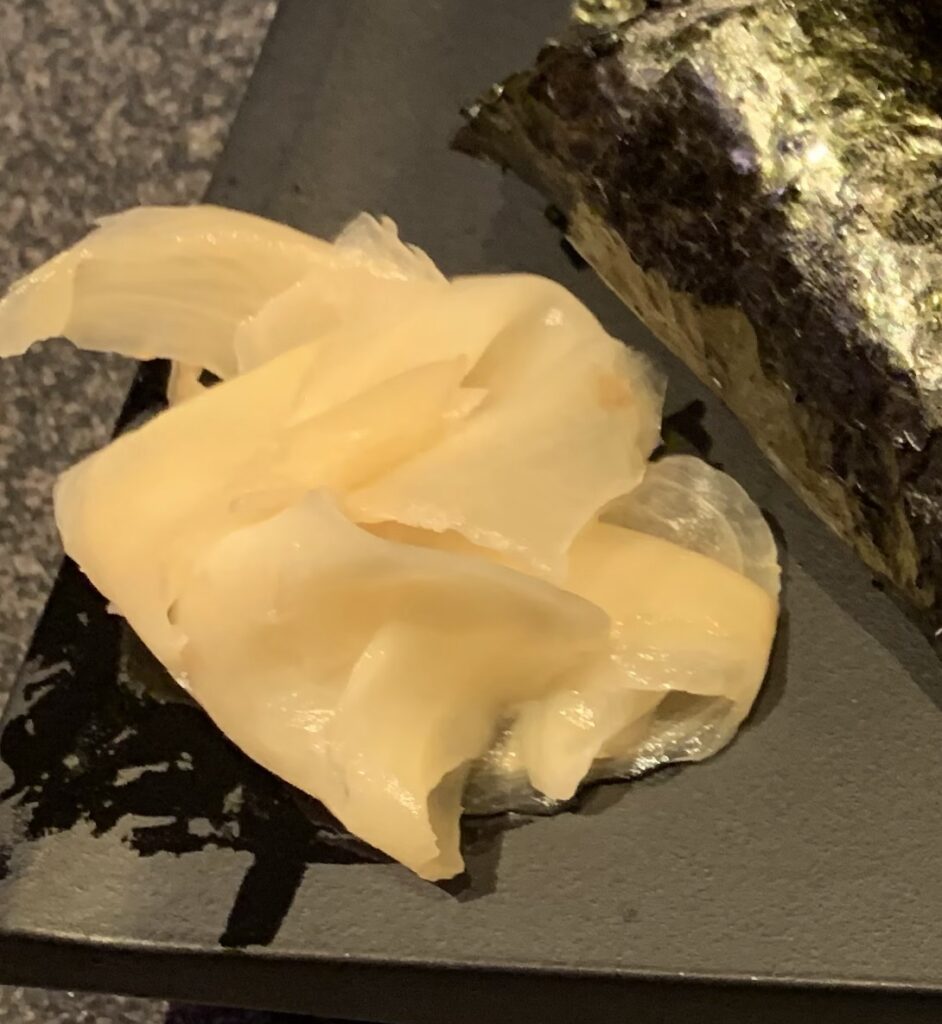
Gari (ガリ)
What it is Sweet pickled ginger
Use Often eaten between pieces of sushi
Salt (塩)
Use Some sushi is served with salt instead of soy sauce
Good to know You may see flavoured salts such as yuzu salt or wasabi salt at some restaurants
Daikon Oroshi (大根おろし)
What it is Grated daikon radish
Use May be served with certain fish and seafood dishes
Sudachi (すだち)
Taste Small Japanese citrus with a fresh, sharp flavour
Yuzu (ゆず)
Taste Fragrant Japanese citrus with a fresh, bright flavour
Ponzu (ポン酢)
Taste Citrusy, slightly sour and refreshing
Soy Sauce (醤油)
Taste Salty and savoury
Use The most common dipping sauce for sushi
Good to know You may also see different types of soy sauce, such as sashimi soy sauce, which can be darker, richer or sweeter depending on the region and product.
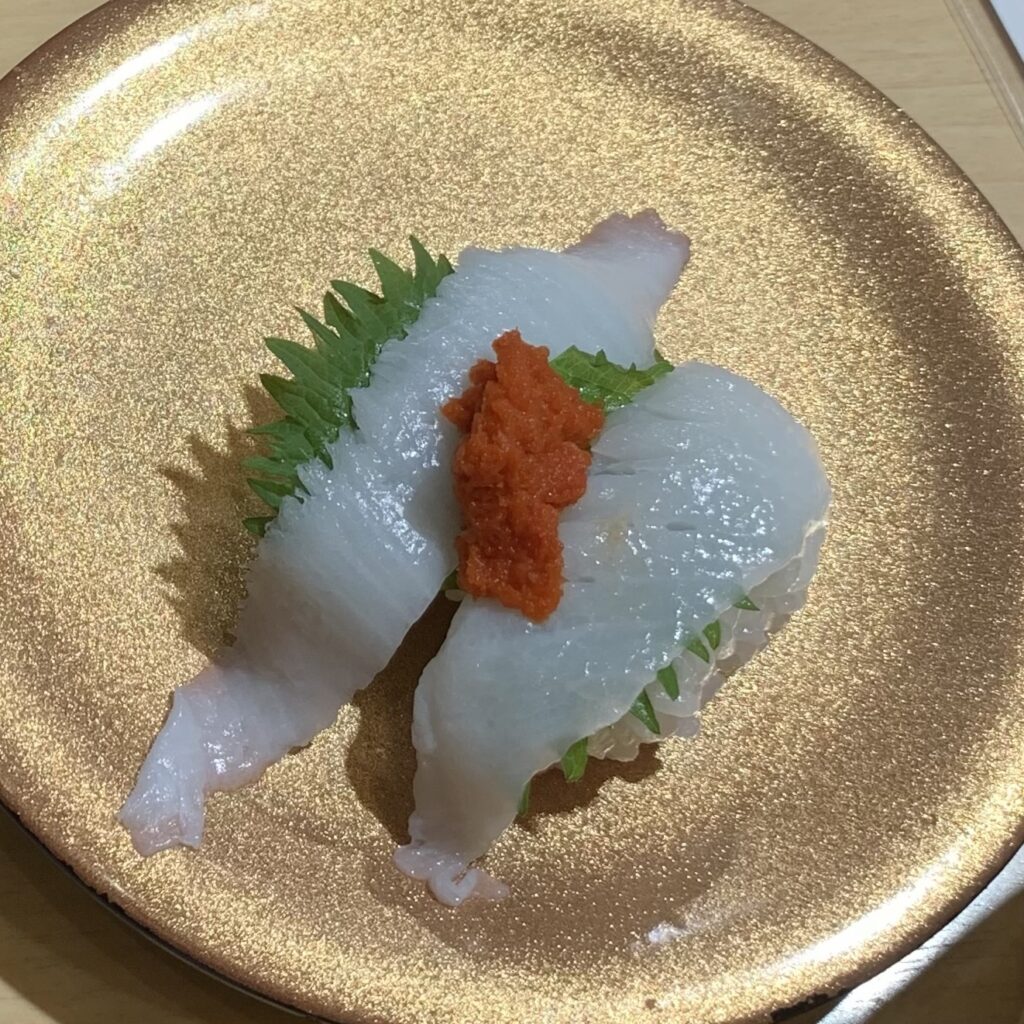
Momiji Oroshi (もみじおろし)
Main ingredients Grated daikon and red chilli pepper
Taste Fresh, spicy and slightly sweet
Usually with Sashimi, especially white fish
Dietary Information 🌱
🍣 Vegetarian: Some sushi, such as cucumber rolls and inari-zushi, may be vegetarian. Check the ingredients, as recipes can vary.
🌱 Vegan: Check the ingredients carefully. Sushi rice, seasonings and fillings may contain non-vegan ingredients.
🐟 Raw fish & seafood: Many types of sushi contain raw fish or seafood. If you prefer cooked ingredients, check the menu or ask the staff.
⚠️ Allergies: Seafood, soy, sesame and other allergens may be used. Ask the restaurant if you have a food allergy.
Let’s try some sushi you’ve never tried before! 🇯🇵✨