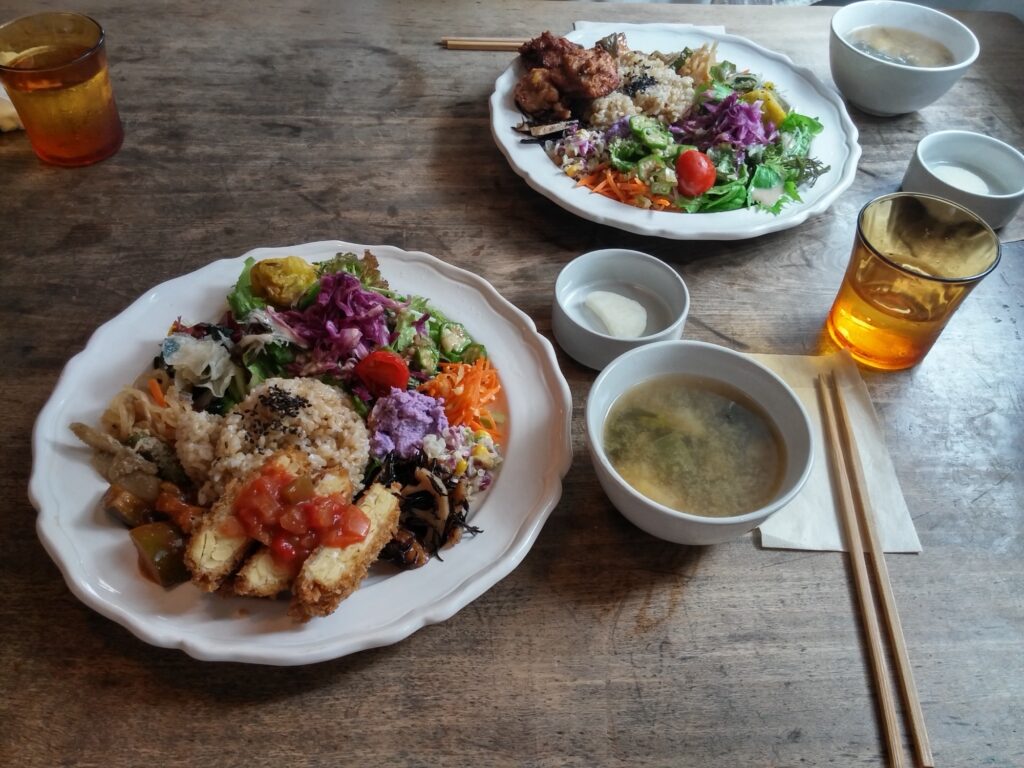
Japanese Soups 🍲
A guide to Japanese soups
Japanese meals often include a bowl of soup alongside rice and other dishes.
From everyday miso soup to clear soups and hearty vegetable soups, there are many types of Japanese soups to discover.
Popular Japanese Soups 🍲
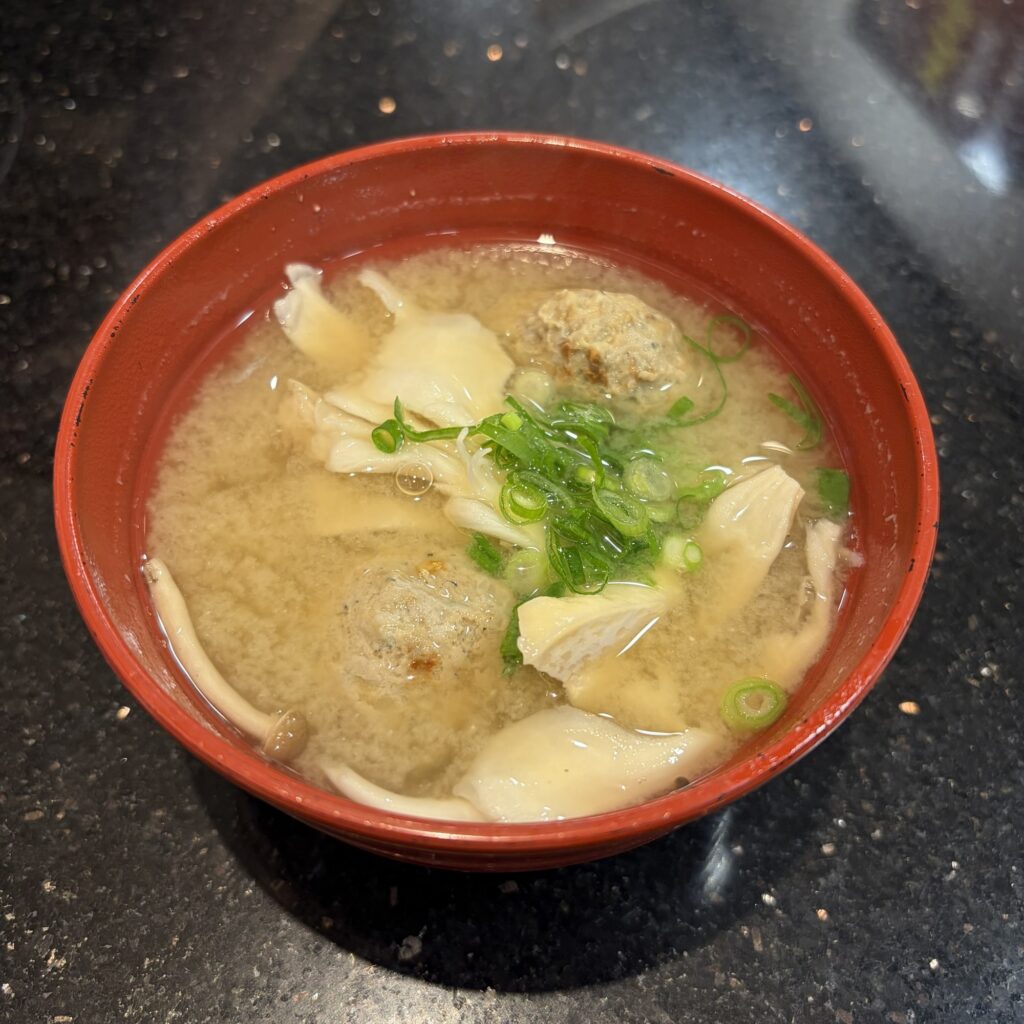
Miso Soup (味噌汁)
A traditional Japanese soup made with miso and dashi. It’s the most common soup in Japanese meals and is often served with set meals, breakfast, and everyday home cooking.
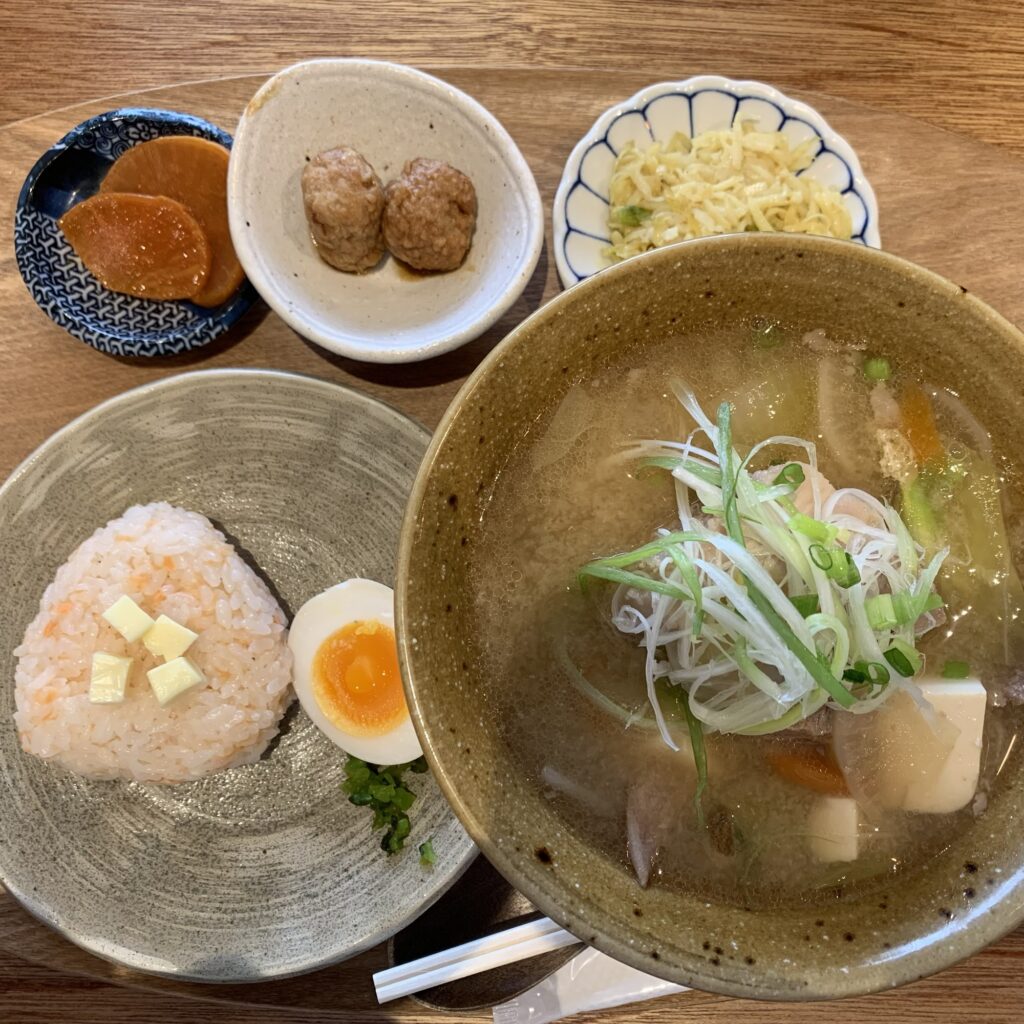
Tonjiru (豚汁)
A hearty miso soup made with pork and vegetables such as daikon, carrot, and burdock root. It’s a popular home-style dish and can be filling enough to enjoy almost like a main dish.
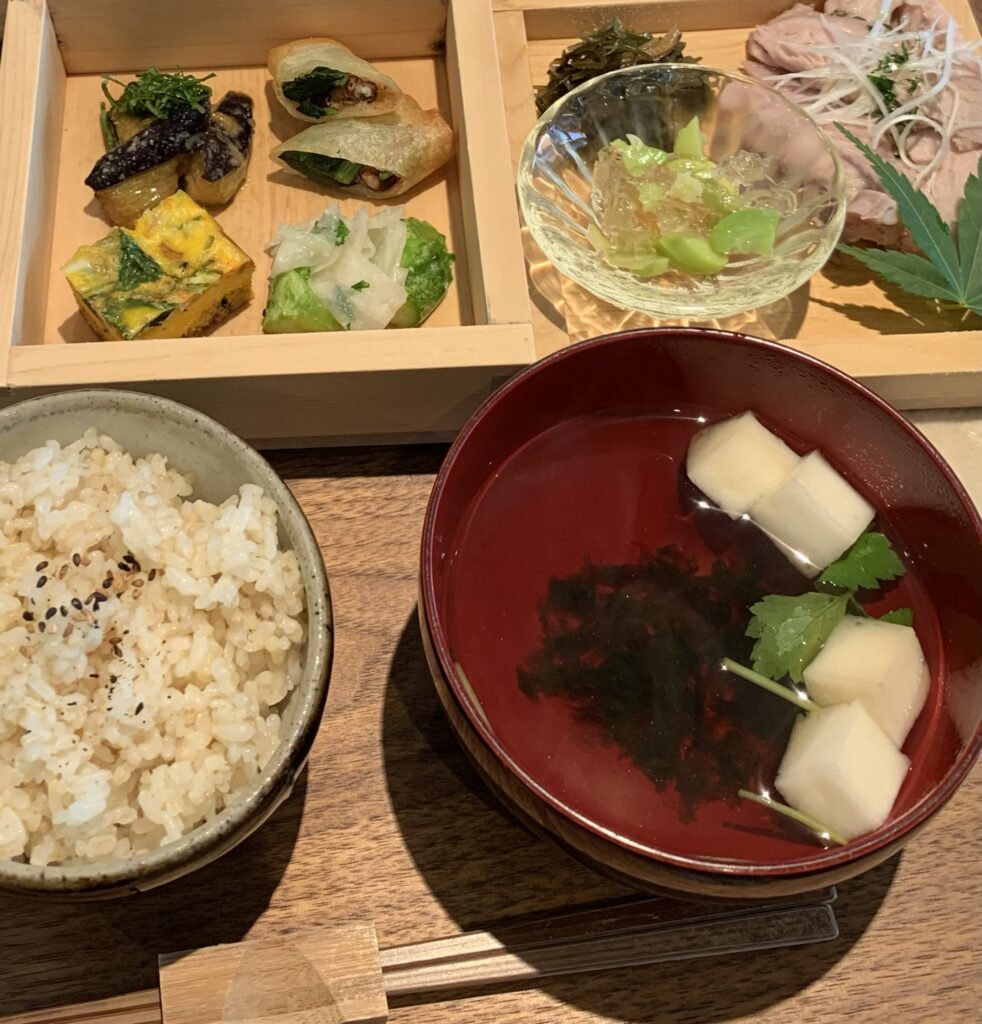
Osuimono (お吸い物)
A clear Japanese soup made with dashi and lightly seasoned with soy sauce and salt. It’s often served with elegant Japanese meals, including kaiseki cuisine and sushi.
Kenchin-jiru (けんちん汁)
A traditional Japanese vegetable soup made with ingredients such as daikon, carrot, burdock root, tofu, and konnyaku. It originated as a Buddhist vegetarian dish and is traditionally made without animal products.
Ara-jiru (あら汁)
A flavorful soup made with fish parts such as the head and bones. It’s often served at sushi restaurants and makes use of parts of the fish that might otherwise be left over.
Shijimi-jiru (しじみ汁)
A Japanese soup made with small freshwater clams called shijimi. It’s enjoyed as an everyday soup and is especially associated with Shimane, where shijimi clams are well known.
Kakitama-jiru (かきたま汁)
A light Japanese soup made with dashi and softly cooked beaten egg. It’s a simple and comforting soup often enjoyed as part of an everyday Japanese meal.
Nameko-jiru (なめこ汁)
A Japanese soup made with nameko mushrooms, which have a distinctive slippery and slightly thick texture. It’s often made with miso and is a popular home-style soup.
Dietary Information 🌱
Many Japanese soups are made with vegetables, tofu, mushrooms, or other plant-based ingredients.
However, dashi is often used to add flavor, and some dashi is made from fish such as bonito. If you’re vegan or vegetarian, check the ingredients or ask whether the soup contains fish-based dashi, meat, egg, or other animal products.
Some soups may also have different ingredients depending on the restaurant or region, so checking the ingredients is a good idea if you have dietary restrictions.
Let’s discover Japanese soups! 🍲✨ 🇯🇵