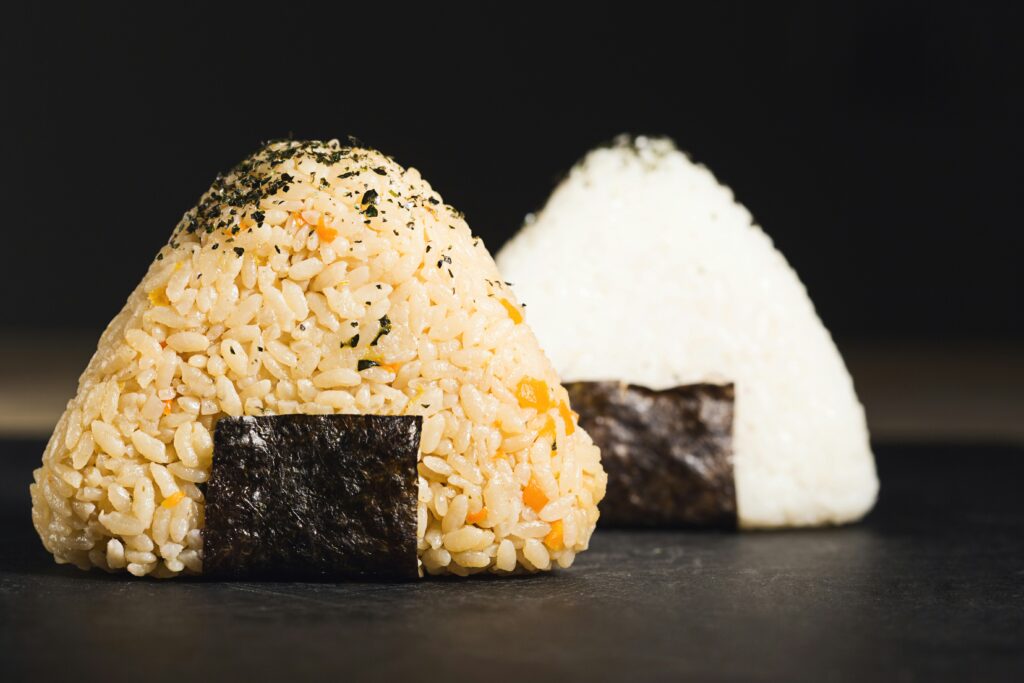
What is Onigiri?
A Beginner’s Guide to Japanese Rice Balls
Onigiri is one of the most familiar everyday foods in Japan. Often called Japanese rice balls, onigiri is made from rice and usually shaped by hand into a triangle, ball, or other simple shape. Onigiri is also sometimes called omusubi(おむすび).
You can find onigiri at convenience stores, supermarkets, specialty shops, and many Japanese homes. They are simple, affordable, and come in many different fillings and styles.
Why Are Onigiri So Popular in Japan?
Onigiri is a very familiar part of everyday life in Japan. People eat it for breakfast, lunch, a light meal, or simply when they want something quick and easy.
For me, onigiri was especially useful during school, university, and work. I also often bought them when travelling in Japan — on the Shinkansen, during train transfers, or on road trips. You can eat one without chopsticks or a table, which makes it incredibly convenient.
Onigiri Fillings
One of the fun things about onigiri is choosing the filling. There are many traditional favourites, as well as newer combinations.
Salmon(鮭)
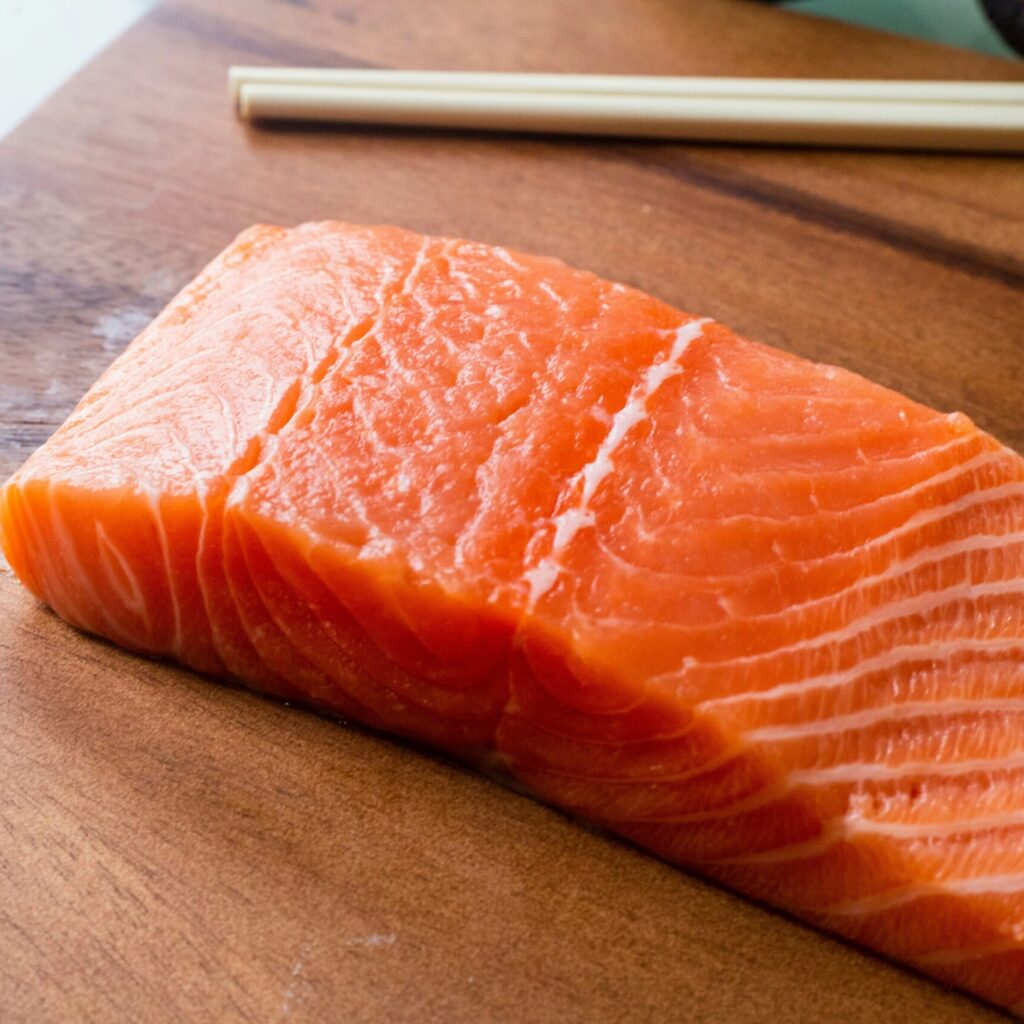
One of the most classic onigiri fillings. Salmon is usually grilled, salted, and flaked before being placed inside the rice.
Tuna Mayo(ツナマヨ)
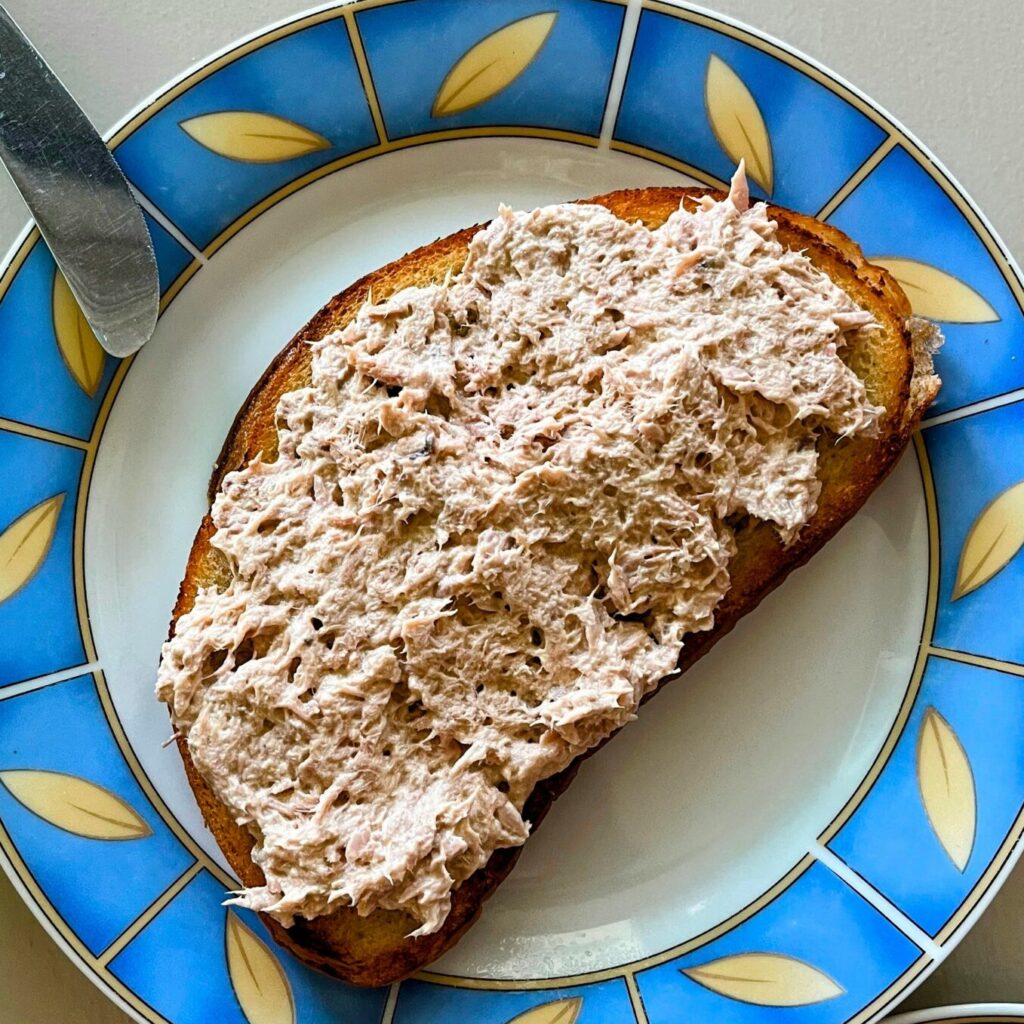
Tuna mixed with mayonnaise. It is especially popular at Japanese convenience stores and is an easy choice if you like creamy, savoury flavours.
Umeboshi(梅干し)
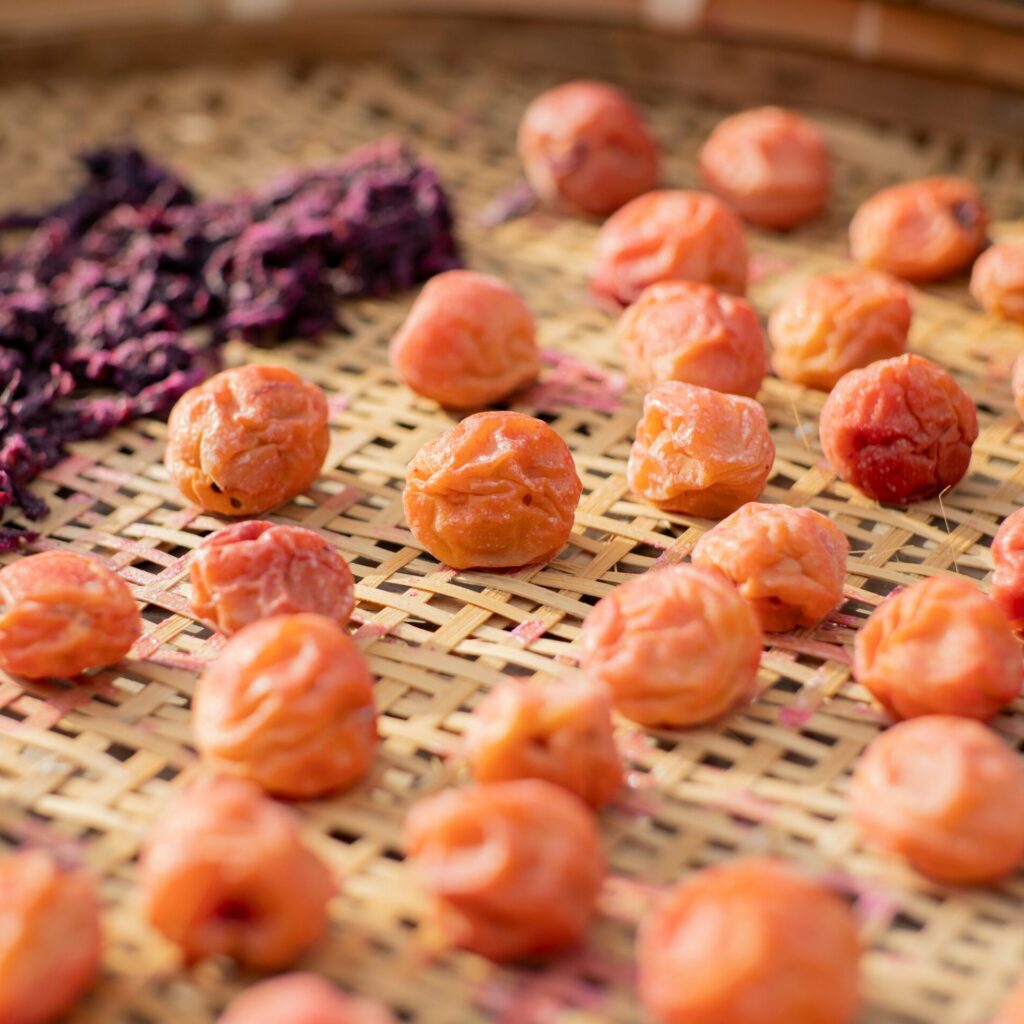
Pickled Japanese plum with a strong salty and sour flavour. Umeboshi is a classic Japanese ingredient and can be quite intense if you are trying it for the first time.
Okaka(おかか)
Okaka is made from bonito flakes seasoned with soy sauce. It has a savoury, slightly smoky flavour and is a very traditional onigiri filling.
Kombu(昆布)
Seasoned kelp with a deep, savoury flavour. Kombu is another classic filling that is simple but full of umami.
Mentaiko(明太子)
Spicy seasoned cod roe. It has a salty, spicy flavour and is a popular choice for people who enjoy a little heat.
Different Types of Rice
White rice is the most familiar base for onigiri. It has a soft and slightly sticky texture that helps the onigiri hold its shape.
Brown rice has a firmer texture and gives the onigiri a different bite.
Mixed grains can add extra texture and variety. You may find several different grains or cereals mixed into the rice.
Barley is sometimes mixed into rice for extra texture. It’s also common to see barley-based rice products in Japan.
Mochi barley(もち麦) is a type of barley known for its pleasantly chewy texture. You may see it mixed into rice in some Japanese products and onigiri.
Onigiri at Japanese Convenience Stores
If you visit Japan, one of the easiest places to try onigiri is a convenience store. Three of the major chains you will often see are 7-Eleven, FamilyMart, and Lawson.
7-Eleven
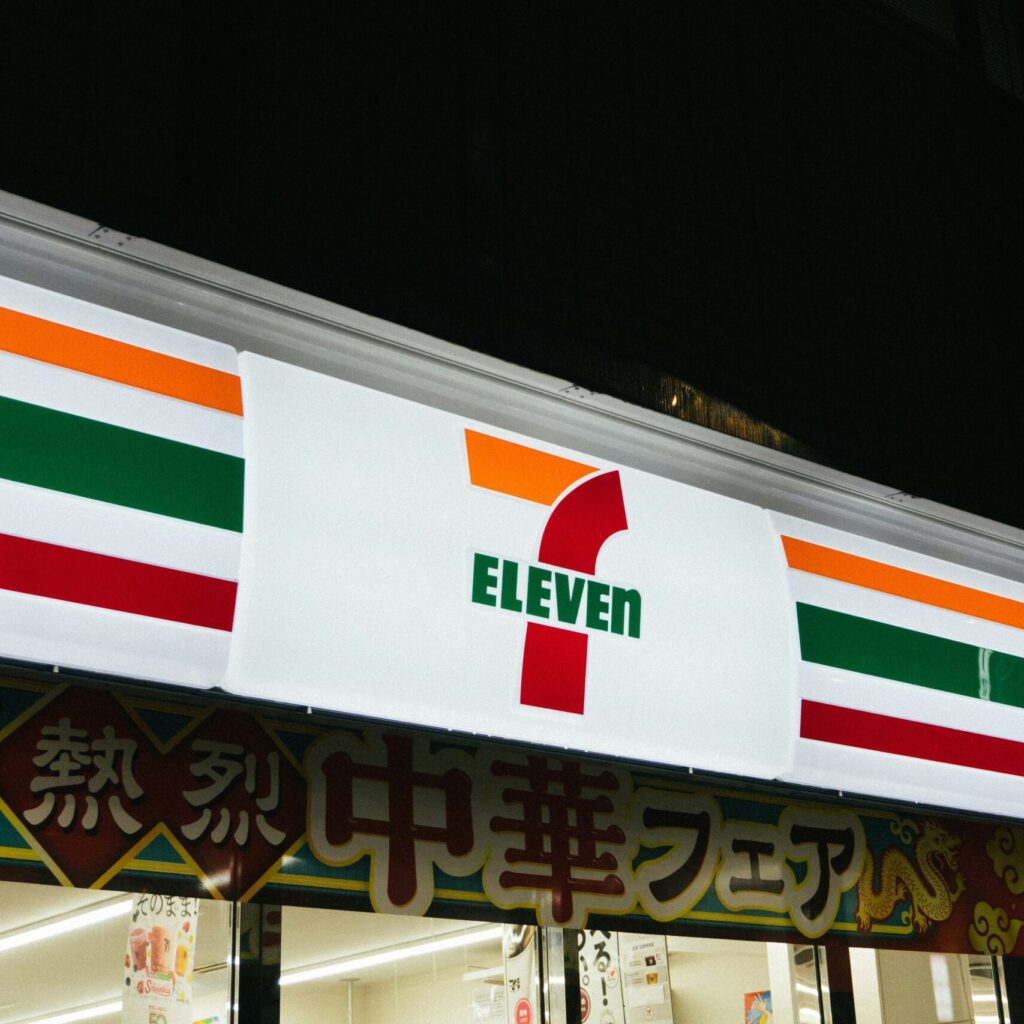
A familiar place to pick up classic and seasonal onigiri.
FamilyMart

A convenient stop for familiar fillings and changing seasonal options.
Lawson
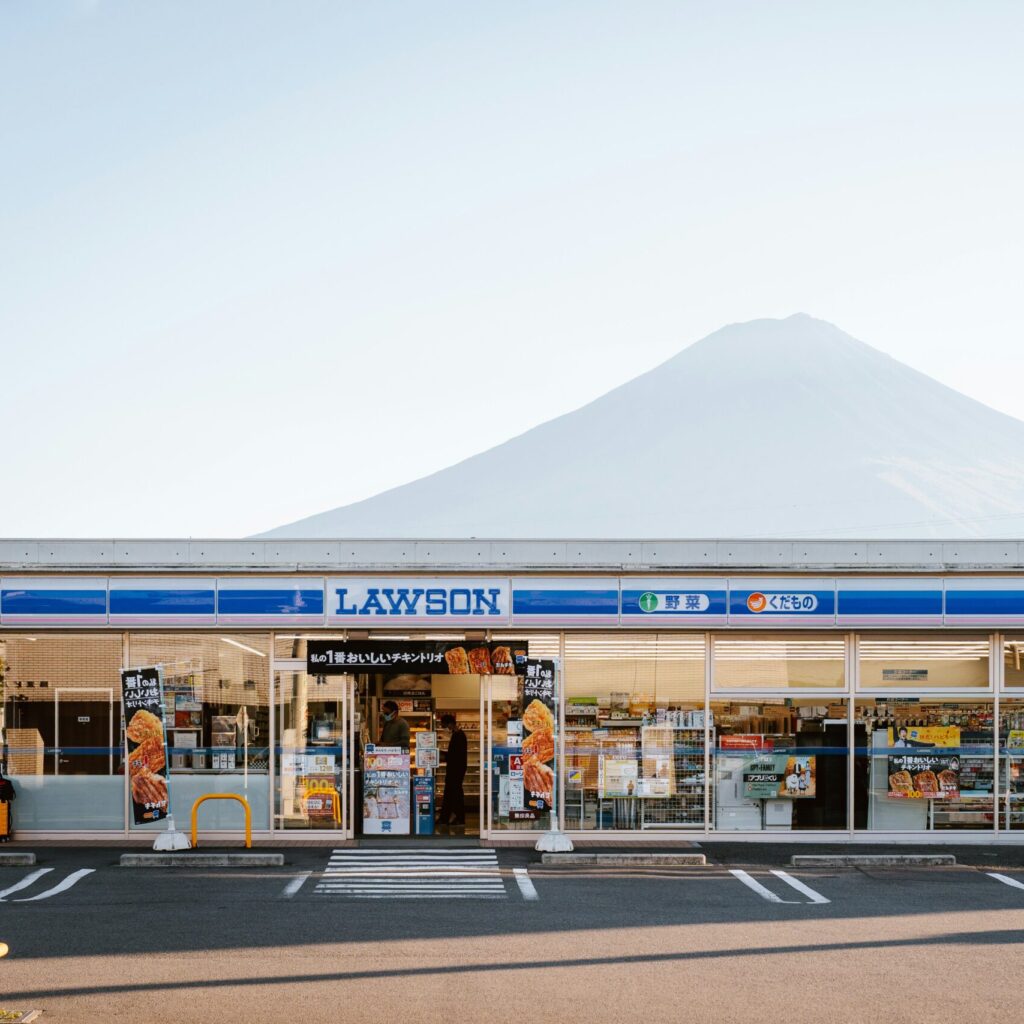
Another popular choice for onigiri, with different fillings and rice styles.
Dietary Information
Some onigiri can be suitable for vegan, vegetarian, or gluten-free diets, but it is important to check the ingredients carefully.
The rice itself is usually simple, but fillings, sauces, seasonings, and other ingredients can contain animal products or wheat. If you have a dietary restriction or allergy, always check the ingredients or ask staff before buying.
My Tip for First-Time Onigiri Eaters
If it is your first time trying onigiri in Japan, try more than one kind if you can. A very cheap onigiri may have a smaller amount of filling or less impressive rice, while specialty onigiri shops can offer a completely different experience. Don’t assume you dislike onigiri just because of one inexpensive convenience-store onigiri.
Enjoy an Onigiri in Japan! 🍙