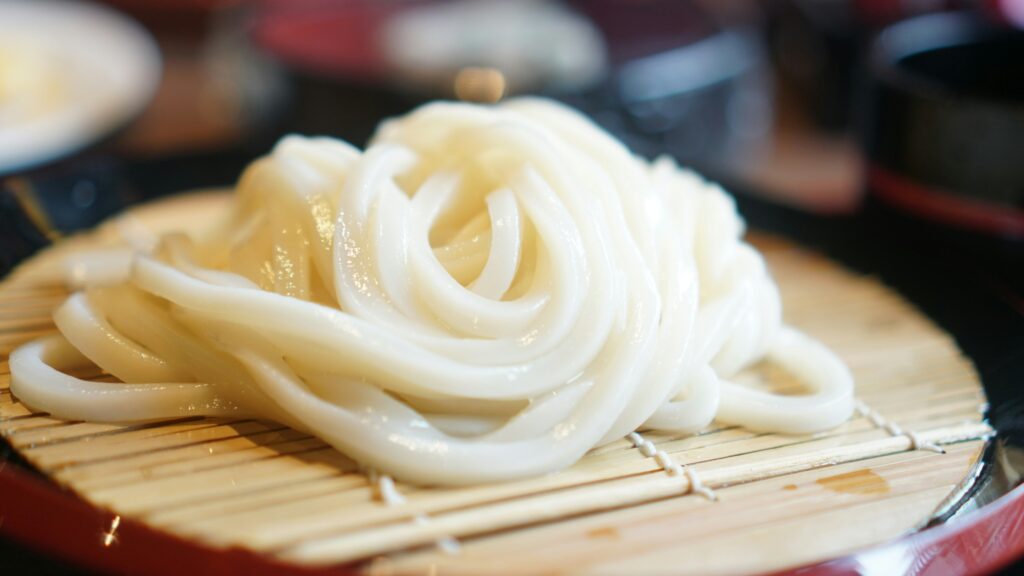
What is Udon?
A Beginner’s Guide to Japanese Udon
Udon is one of Japan’s most popular noodle dishes. It is made from wheat flour, water, and salt, and is known for its thick, chewy noodles.
Udon can be enjoyed hot or cold, with a wide variety of soups, sauces, and toppings! Some bowls are simple and light, while others are rich and hearty.
For me, one of the best things about udon is its texture. Good udon has a satisfying springiness and a soft, mochi-like chewiness that makes it fun to eat 😋
Why I Love Udon
I love udon because it is simple, comforting, and surprisingly versatile.
The noodles themselves have a mild flavor, so they work well with many different tastes! You can enjoy them with a delicate dashi broth, a rich curry sauce, or simple soy sauce and toppings 👌
I especially enjoy cold udon. When the noodles are chilled, their springy texture becomes even more noticeable. Cold bukkake udon with lemon is one of my personal favorites 💛
Hot or Cold?
Hot Udon
Hot udon can be enjoyed in many different ways, such as Kake Udon, Bukkake Udon, and Kama-tama Udon. With hot udon, you can enjoy the mild flavor of the noodles together with a flavorful dashi broth or sauce. The warm broth is comforting and brings out the simple taste of the noodles.
Cold Udon
Cold udon is a great choice when you want to enjoy the firm and chewy texture of the noodles. After cooking, the noodles are cooled in cold water. This helps give them a firmer texture. If you want something light and refreshing with a good bite, I recommend trying cold udon 👍
Popular Types of Udon
Kake Udon(かけうどん)
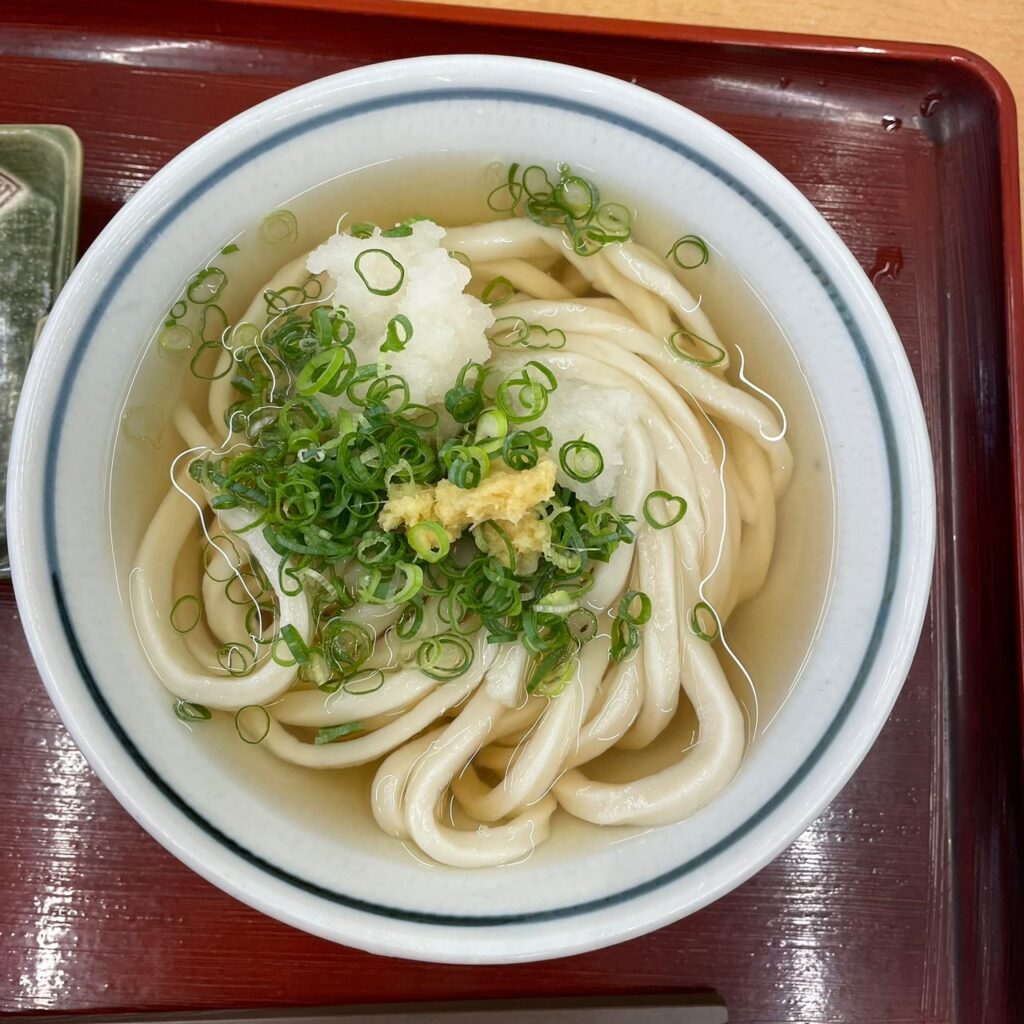
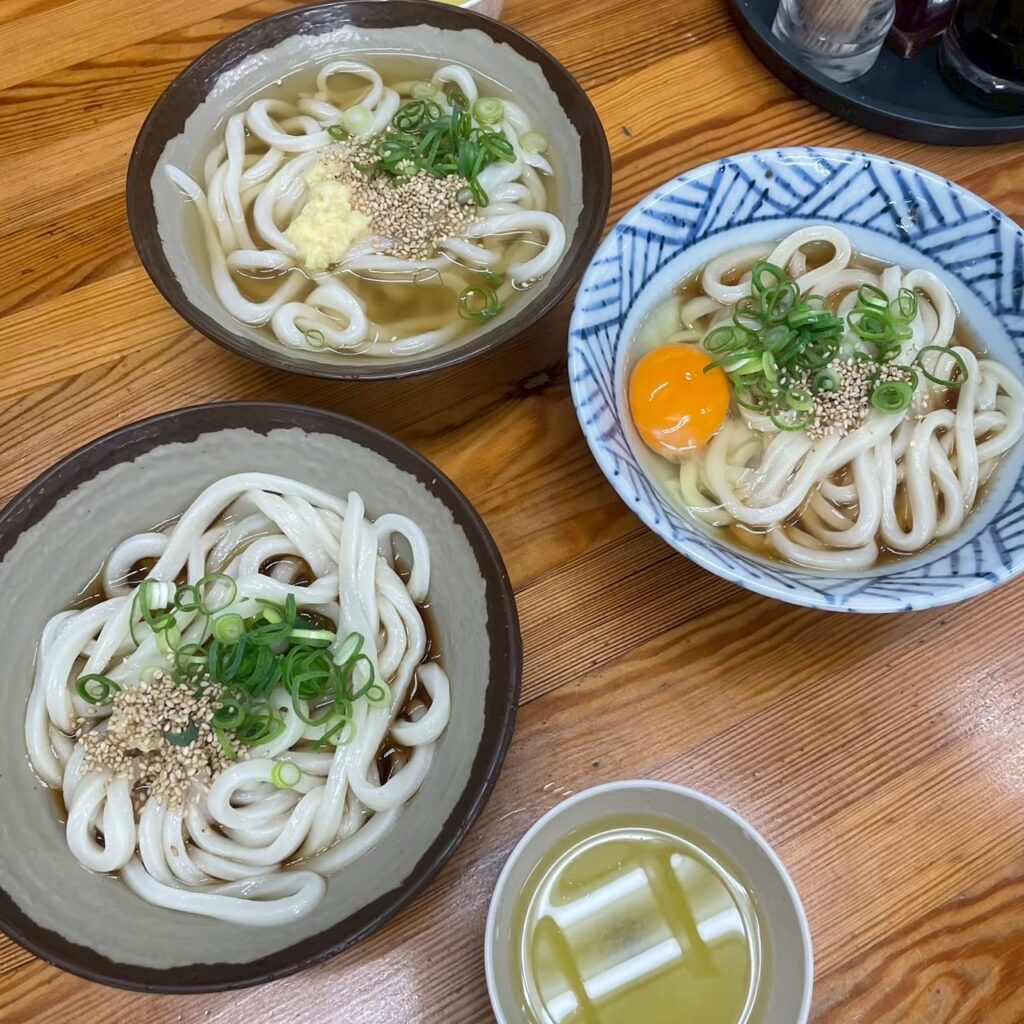
Kake Udon is one of the simplest and most classic styles. The noodles are served in a warm dashi-based broth, often with simple toppings such as green onions and tempura flakes.
Kitsune Udon(きつねうどん)
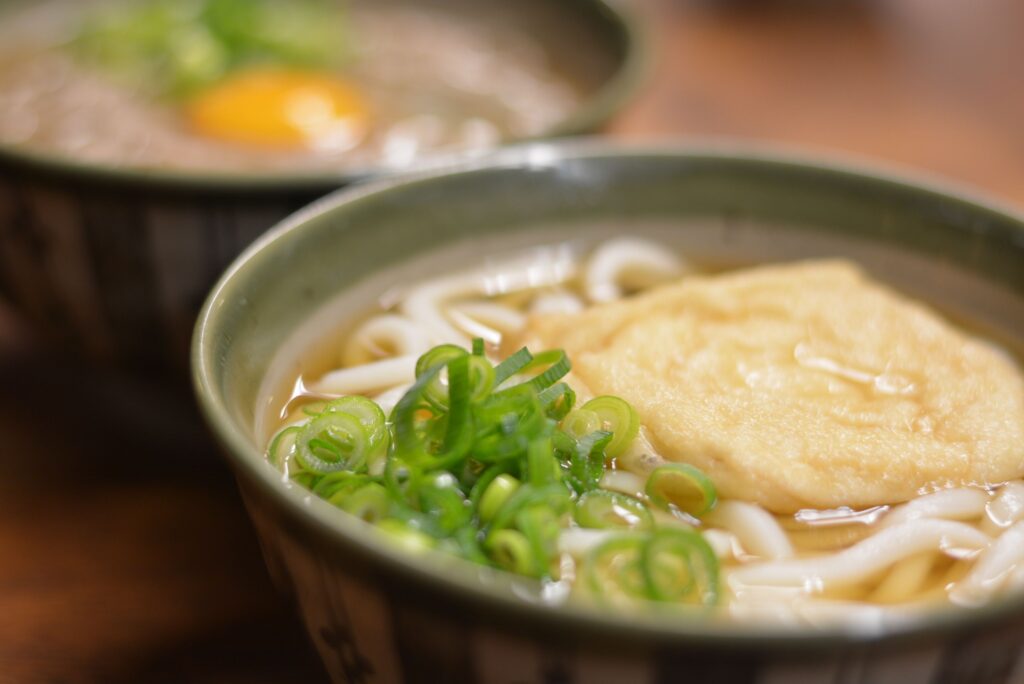
Kitsune Udon is udon noodles topped with sweet and savory seasoned aburaage, or fried tofu.
Bukkake Udon(ぶっかけうどん)
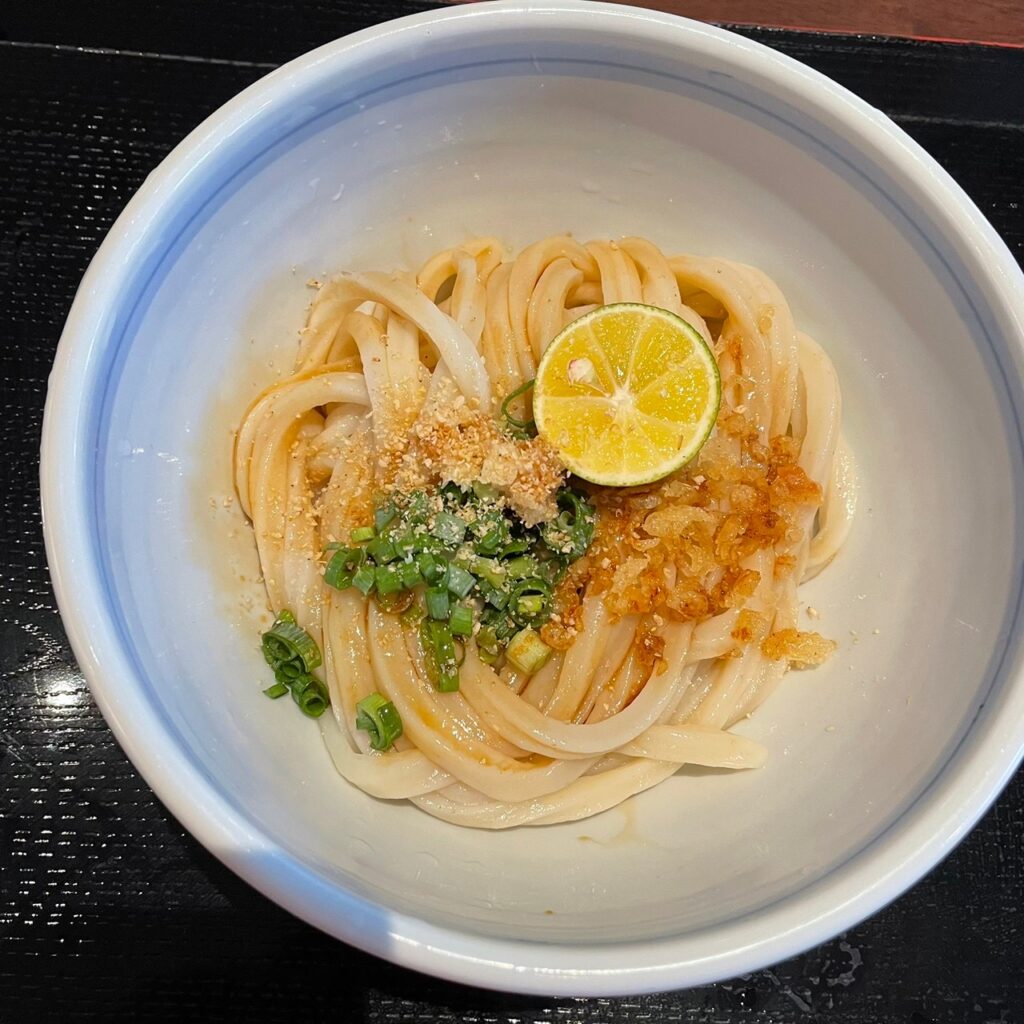
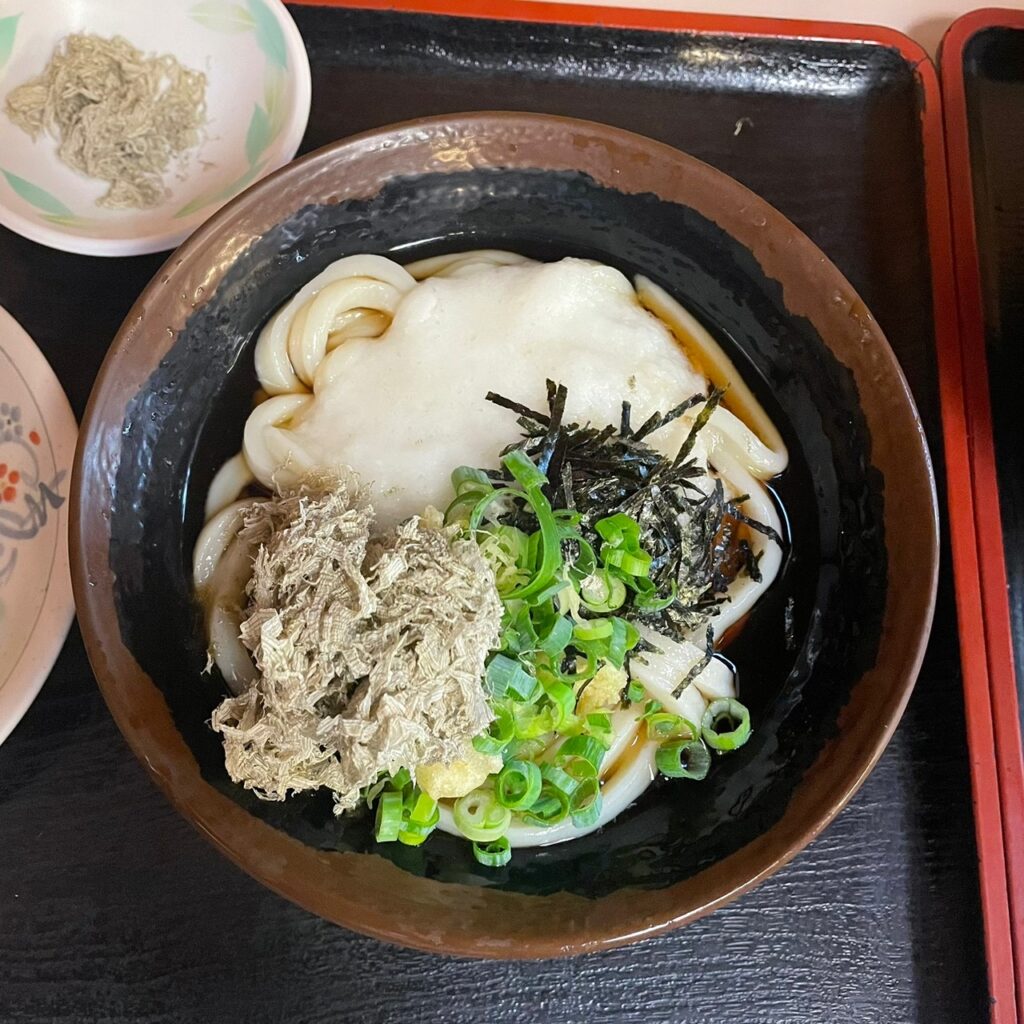
Bukkake Udon is served with a stronger, more concentrated sauce poured directly over the noodles. It can be served hot or cold and is often topped with ingredients such as grated daikon, green onions, ginger, or lemon.
Zaru Udon(ざるうどん)
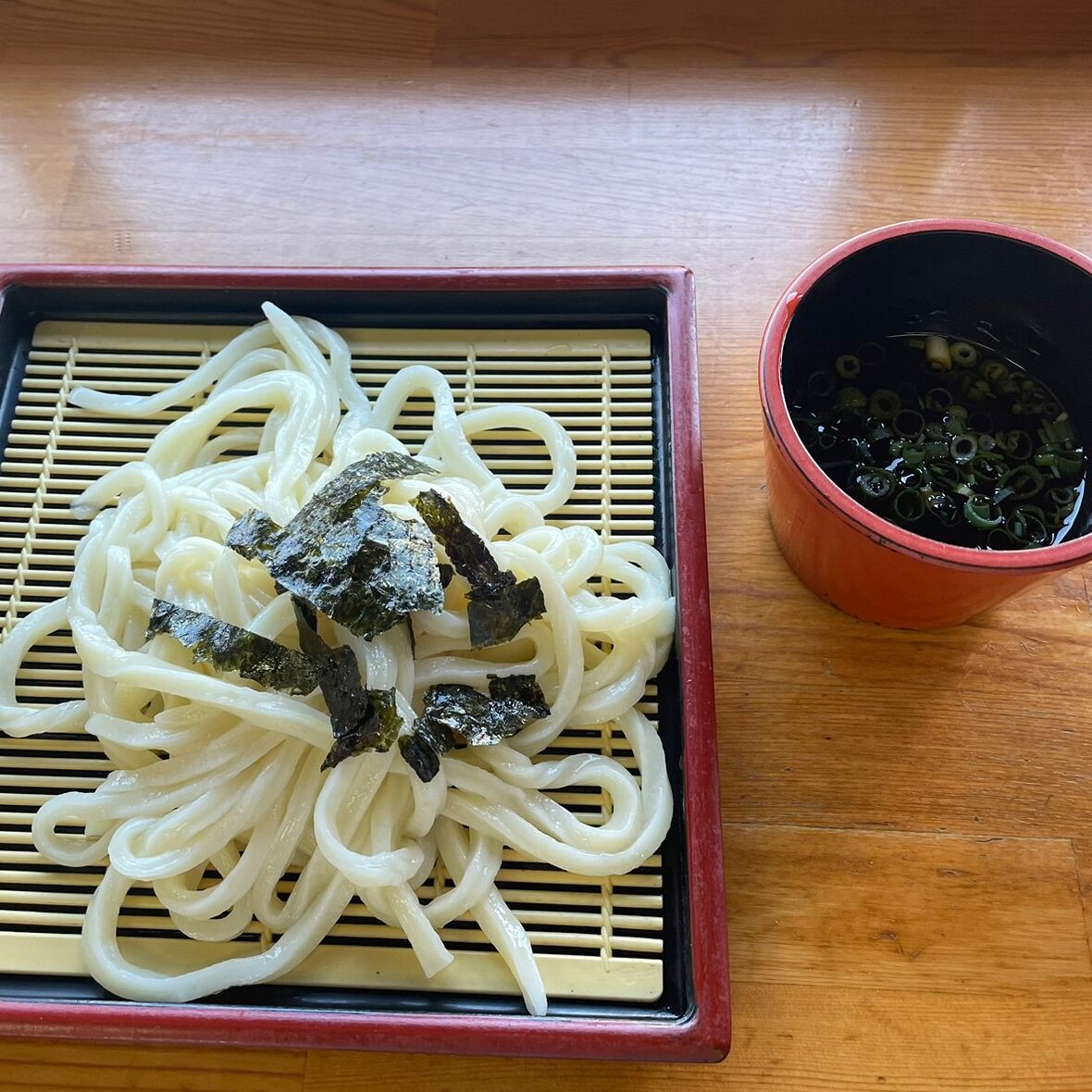
Zaru Udon is cold udon served separately from a dipping sauce. Instead of pouring the sauce over the noodles, you dip a small amount of noodles into the sauce before eating.
Kama-age Udon(釜揚げうどん)
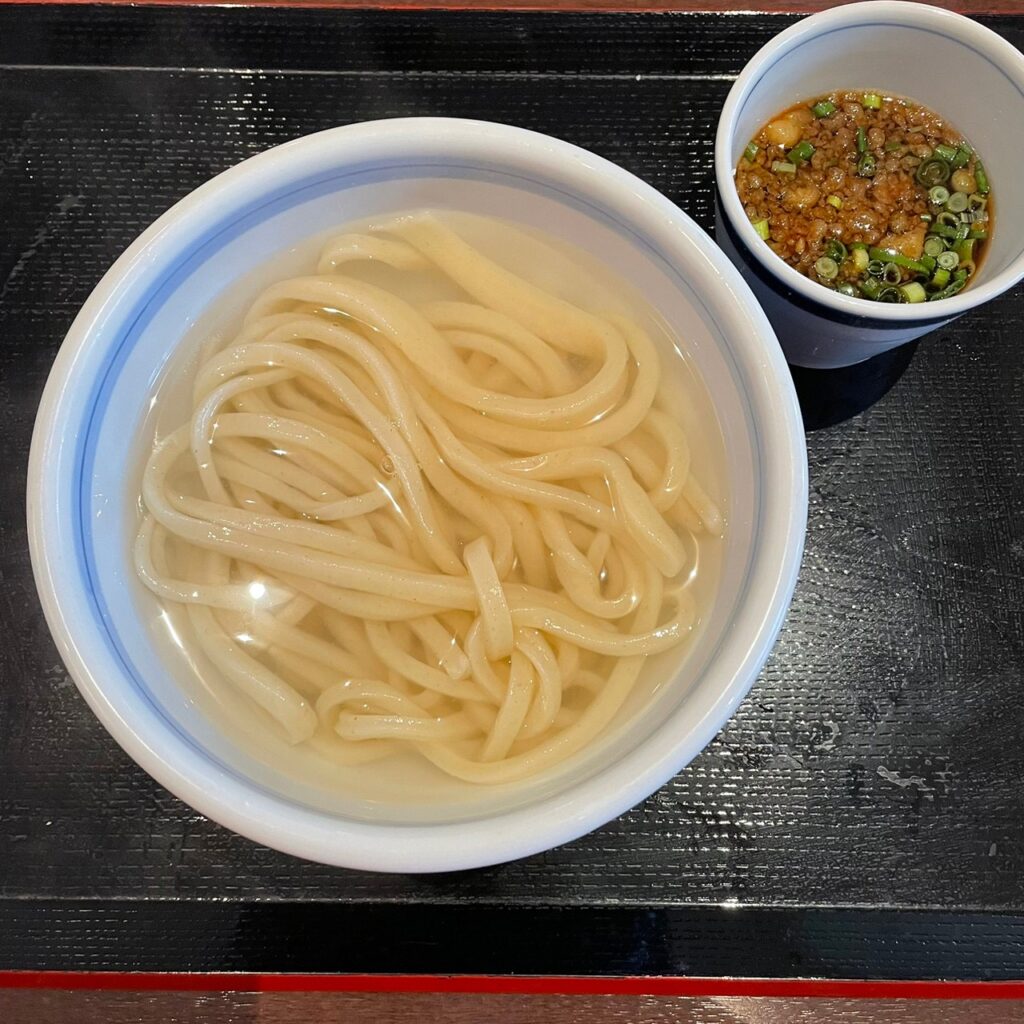
Kama-age Udon is served hot, straight from the cooking water, without rinsing the noodles in cold water. The noodles have a softer and more delicate texture than chilled udon.
Kama-tama Udon(釜玉うどん)
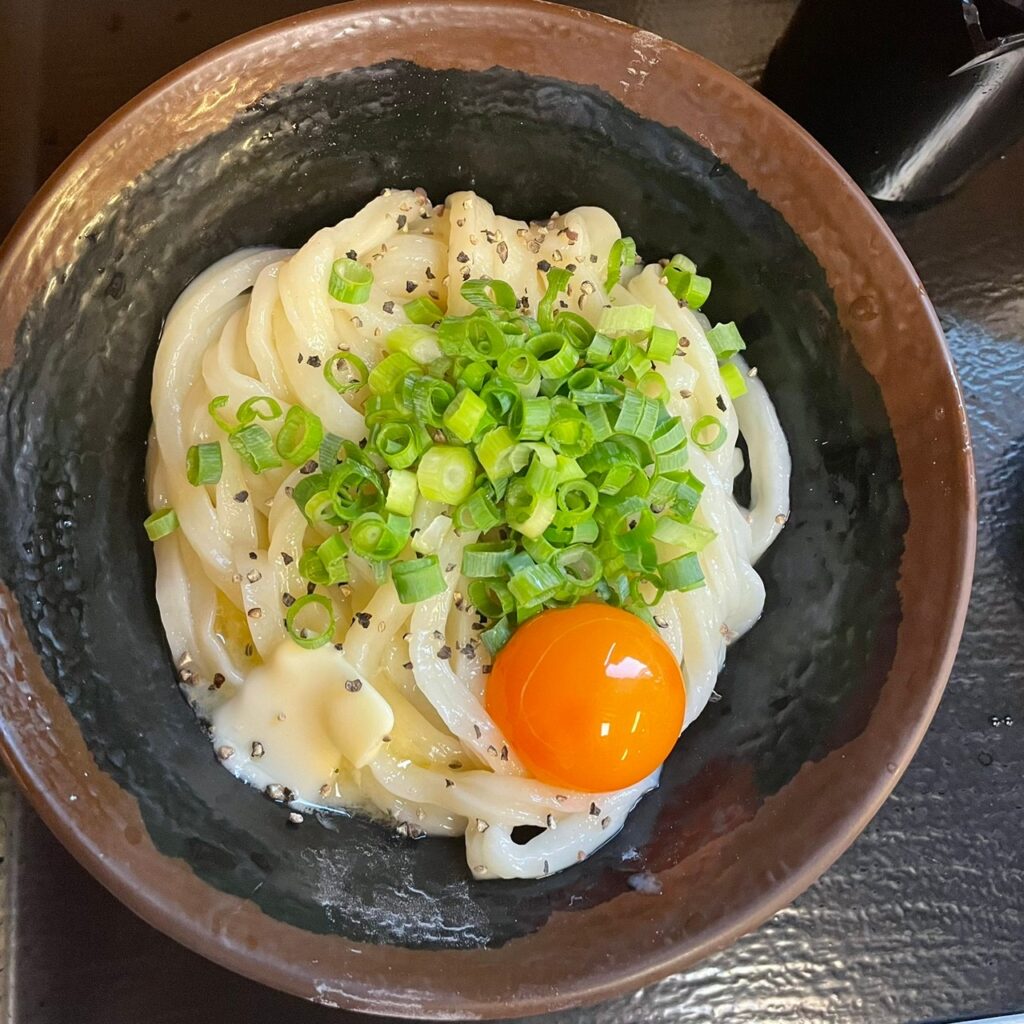
Kama-tama Udon combines freshly cooked hot udon with raw egg and soy sauce. The hot noodles mix with the egg to create a rich and creamy texture.
Curry Udon(カレーうどん)
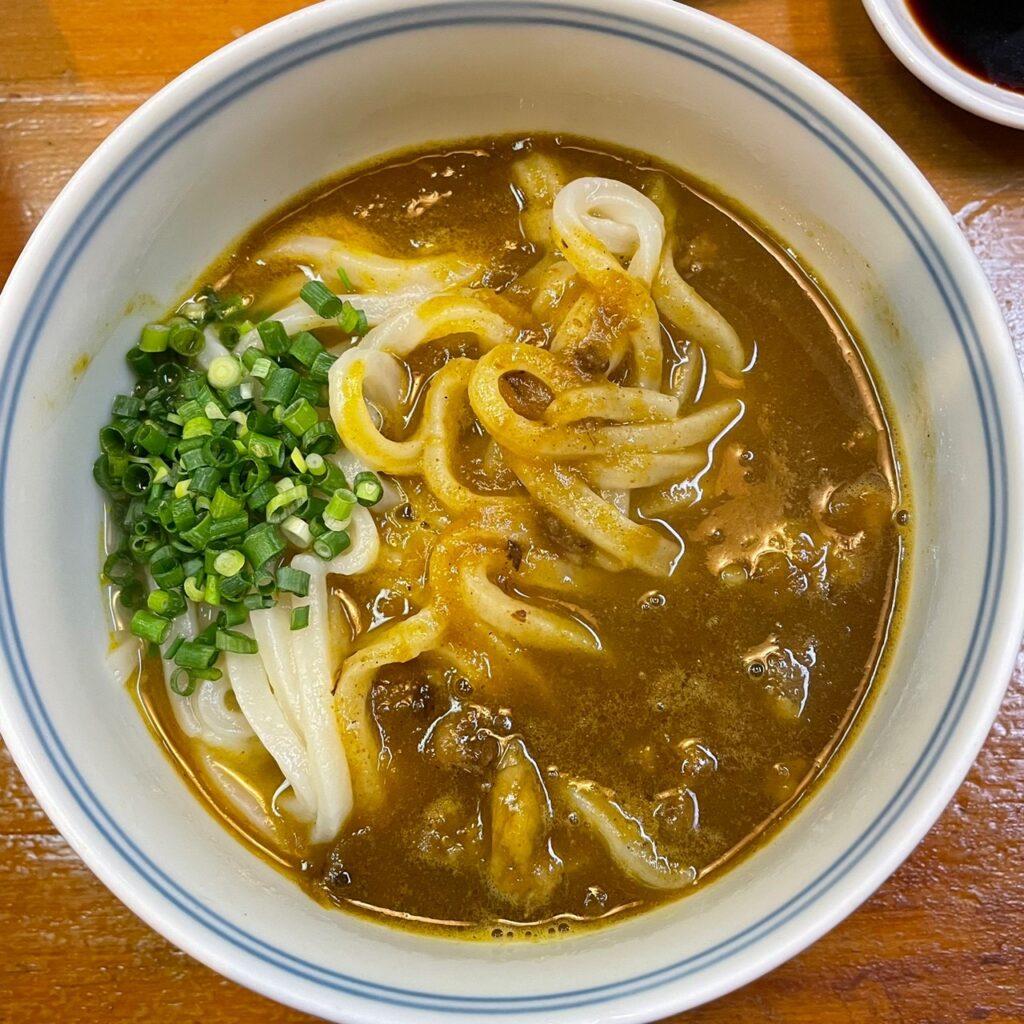
Curry Udon combines Japanese curry with udon noodles. The thick curry sauce clings to the noodles and creates a rich, satisfying dish.
Regional Differences
Udon is enjoyed throughout Japan, but the noodles, broth, and preparation can vary from region to region. Kagawa Prefecture is particularly famous for Sanuki udon, which is known for its firm, springy texture. Kagawa also has a strong udon culture, with many different types of udon restaurants, including self-service shops. On the other hand, Mie Prefecture is home to Ise udon, which is famous for its very thick and soft noodles. This is a good example of how different udon can be depending on where you eat it.
How to Order Udon in Japan
At some udon restaurants, you order from your seat. But many udon shops use a self-service system.
How Self-Service Udon Shops Work
① Order your udon
Tell the staff which udon you want.
↓
② Get your udon
Your udon is usually made and given to you at the counter.
Note: Kama-age Udon often takes a little longer to prepare, so the staff may bring it to you later.
↓
③ Choose your side dishes
Move along the counter and choose what you like, such as tempura or rice balls.
↓
④ Pay at the register
Take your tray to the register and pay for your meal.
↓
⑤ Find a seat and enjoy your udon! 🍜
What Do “Kake” and “Bukkake” Mean?
Kake Udon is udon served in a warm dashi broth.
Bukkake Udon is udon with a strong sauce poured directly over the noodles.
Dietary Information
- Udon noodles are made with wheat flour, so they are not gluten-free.
- If you are vegan or vegetarian, check the dashi, sauces, and toppings, as they may contain animal-based ingredients.
- If you have a food allergy, always check with the restaurant before ordering.
My Tip for First-Time Udon Eaters
If you are trying udon for the first time, start with something simple!
Kake Udon is a good choice if you want to enjoy the noodles and dashi.
Cold Bukkake or Zaru Udon is great if you want to enjoy the chewy texture of the noodles.
And don’t be afraid to try a small local udon shop!
Enjoy a local udon experience! 🍜