Japanese Sweets
A Beginner’s Guide to Japanese Sweets
Japanese sweets come in many shapes, textures, and flavours. Some are traditional wagashi, while others are modern sweets inspired by Japanese ingredients and flavours.
Many Japanese sweets use ingredients such as rice flour, glutinous rice flour, red bean paste, soybean flour, agar, and different kinds of starch.
In this guide, I’ll introduce some popular Japanese sweets and explain what they are made from.
Popular Japanese Sweets
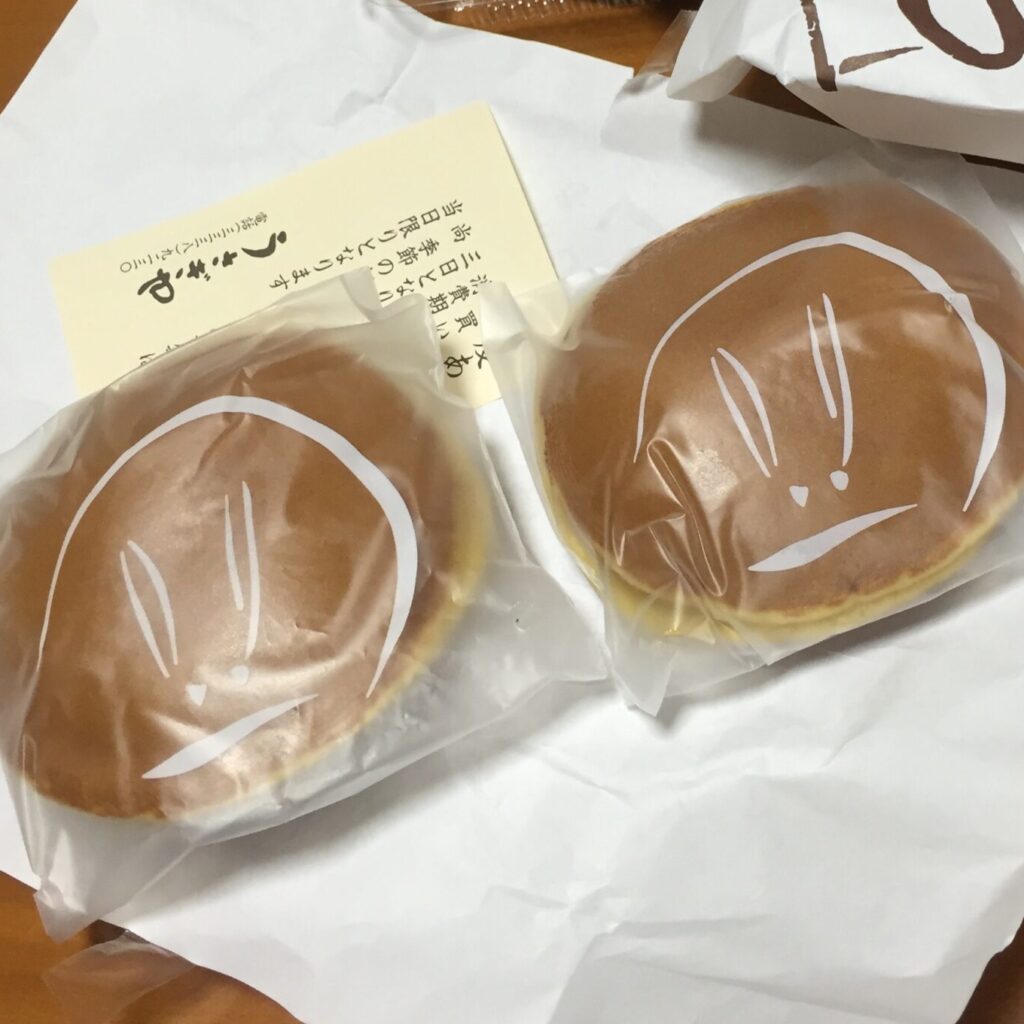
Dorayaki(どら焼き)
Two soft, fluffy pancakes filled with anko (sweet red bean paste). The pancakes are usually made with wheat flour, eggs, sugar, and honey.
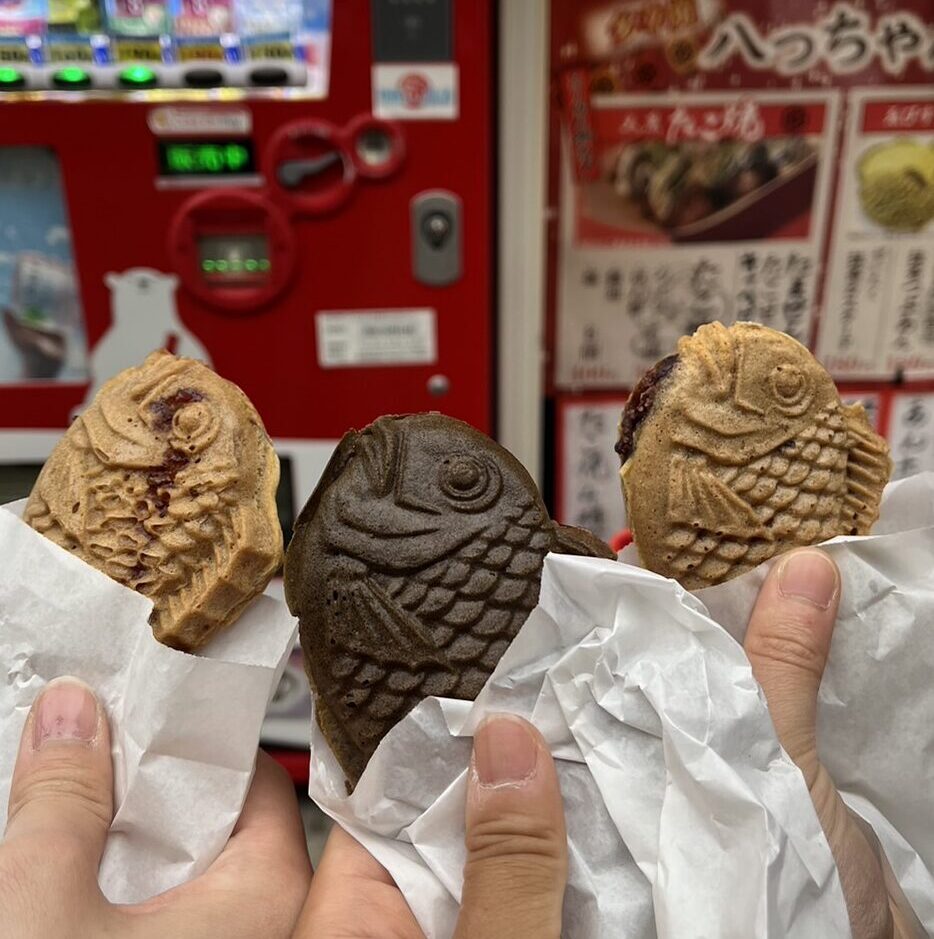
Taiyaki(たい焼き)
A fish-shaped cake usually filled with anko. The batter is mainly made with wheat flour, eggs, and sugar. Modern versions can also have custard, chocolate, or other fillings.
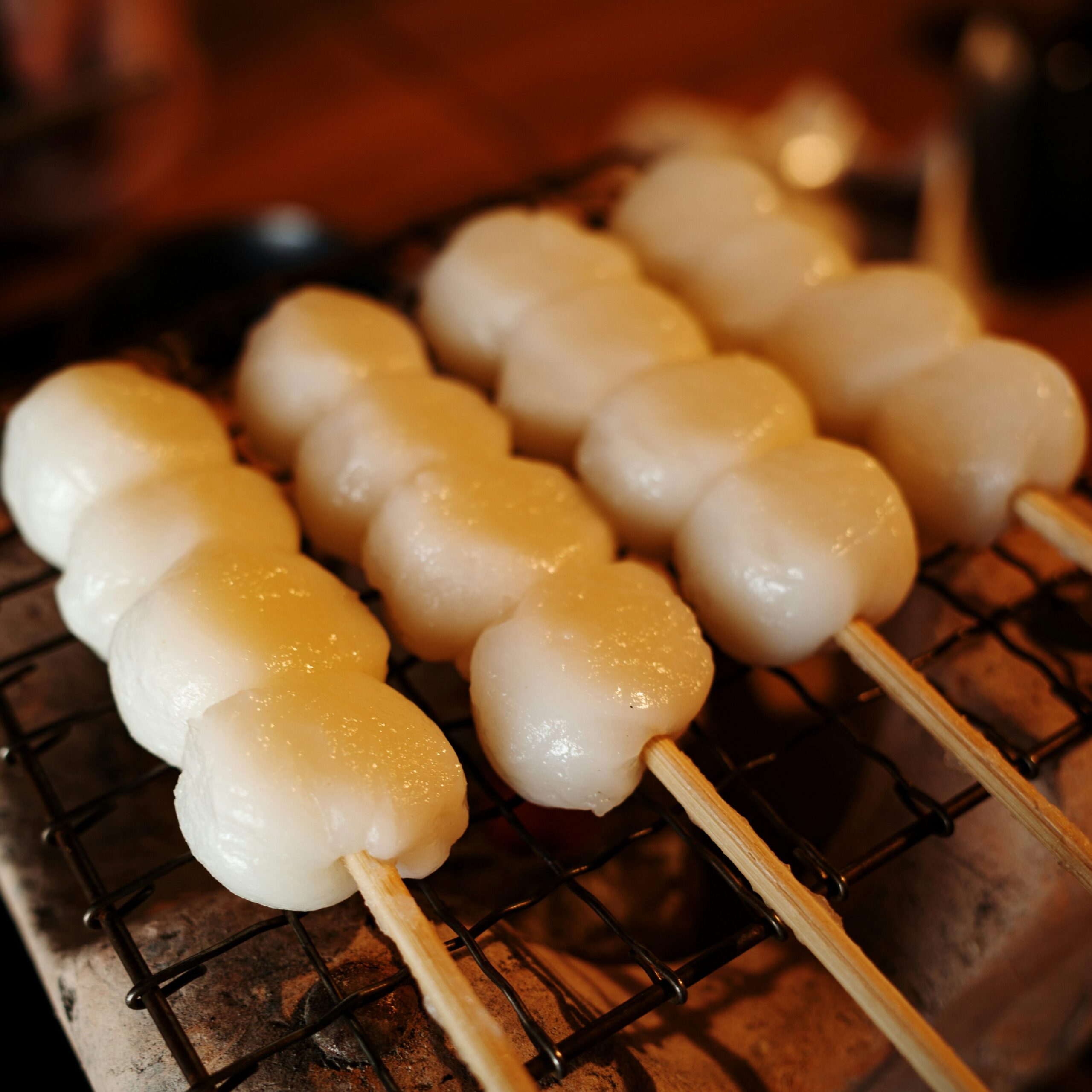
Dango(団子)
Small chewy rice dumplings made from rice flour. Kushi-dango are served on skewers and can have flavours such as mitarashi, red bean paste, sesame, or soy sauce.
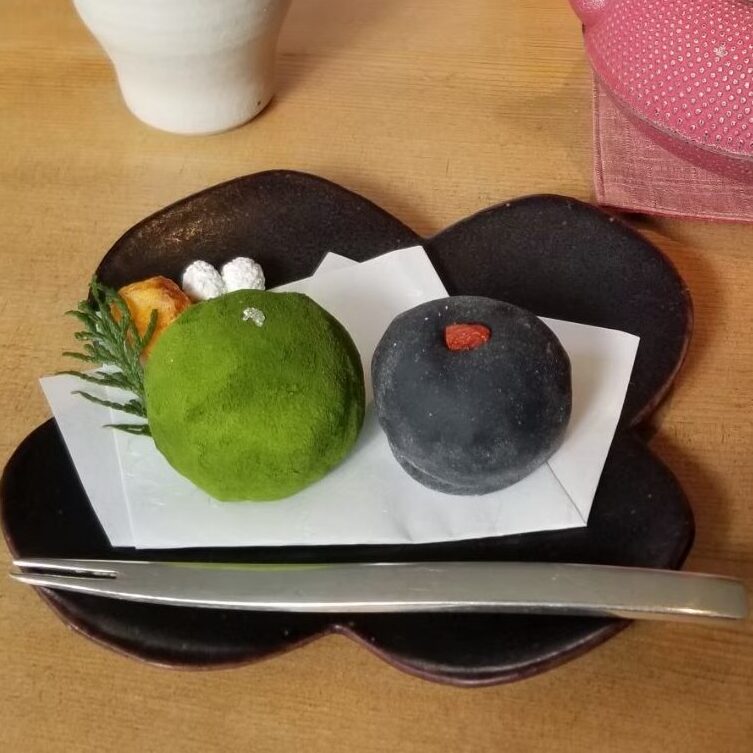
Daifuku(大福)
A soft mochi filled with anko or another sweet filling. The mochi is usually made with glutinous rice flour.
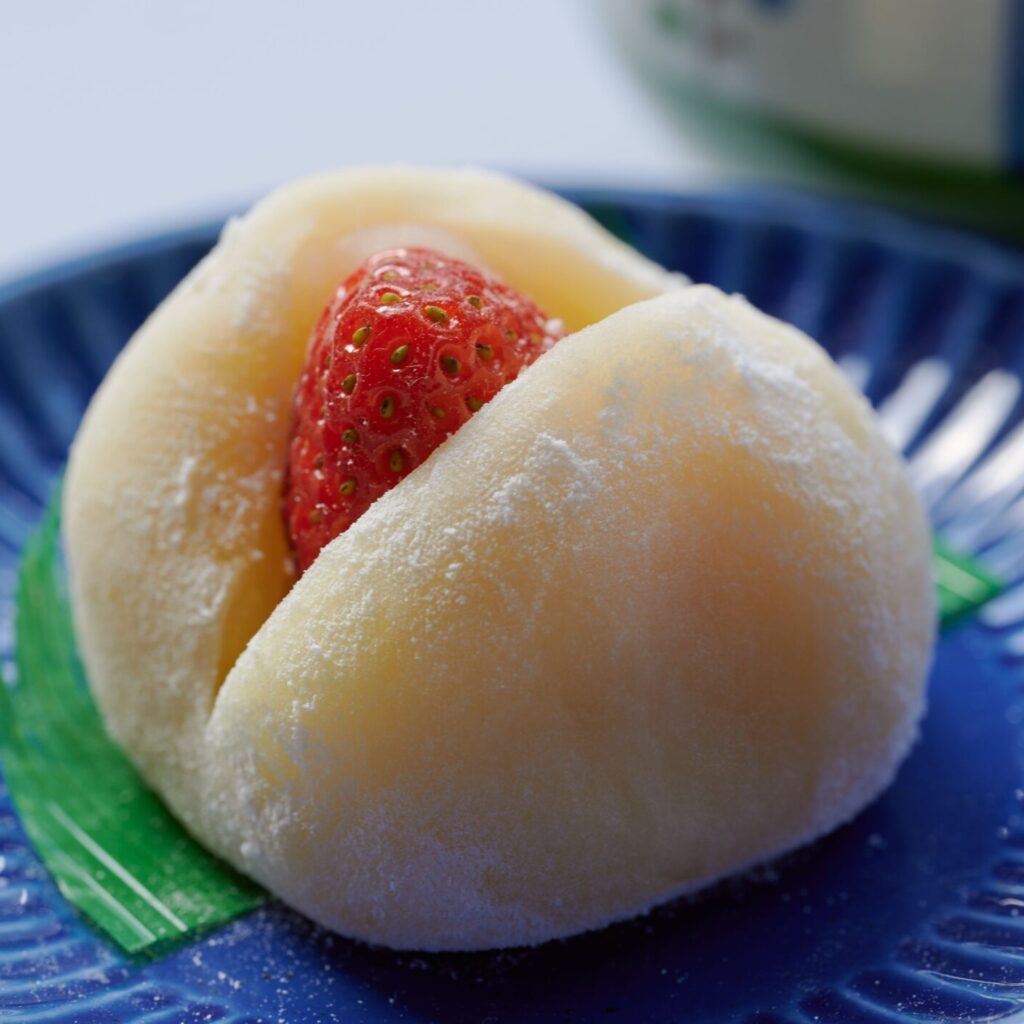
Fruit Daifuku(フルーツ大福)
Mochi filled with fresh fruit and a sweet filling such as anko or white bean paste. Strawberry daifuku is one of the most popular versions.
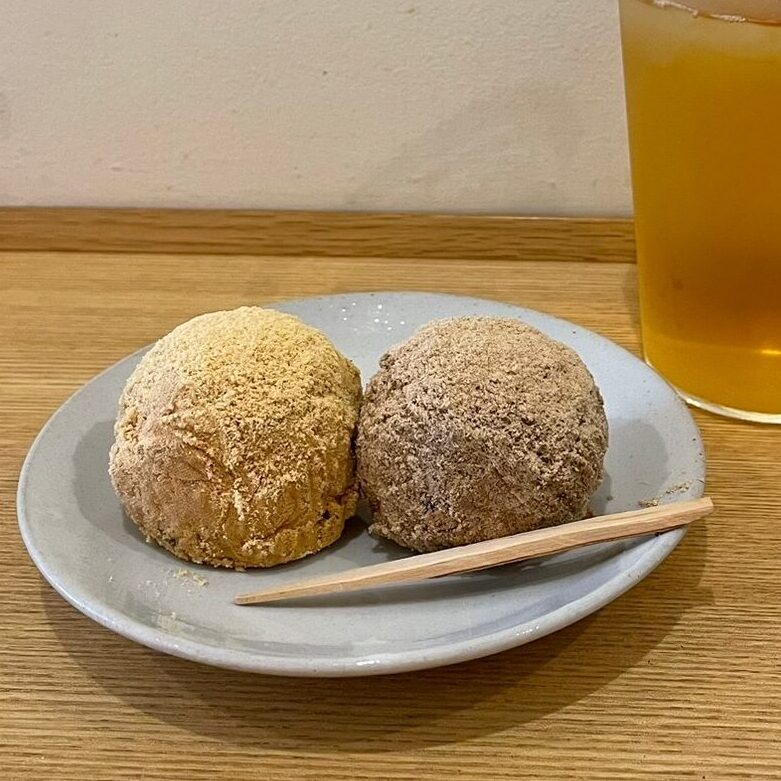
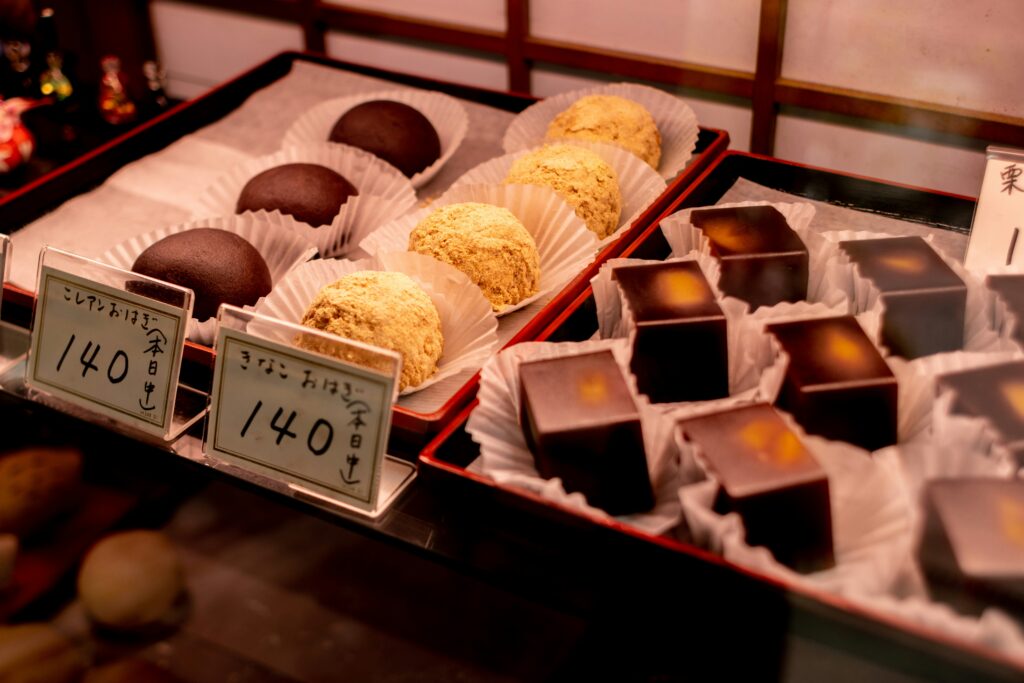
Ohagi(おはぎ)
A Japanese sweet made from sticky rice, often partly pounded and shaped into a ball. It’s usually covered with anko, kinako, or sesame.
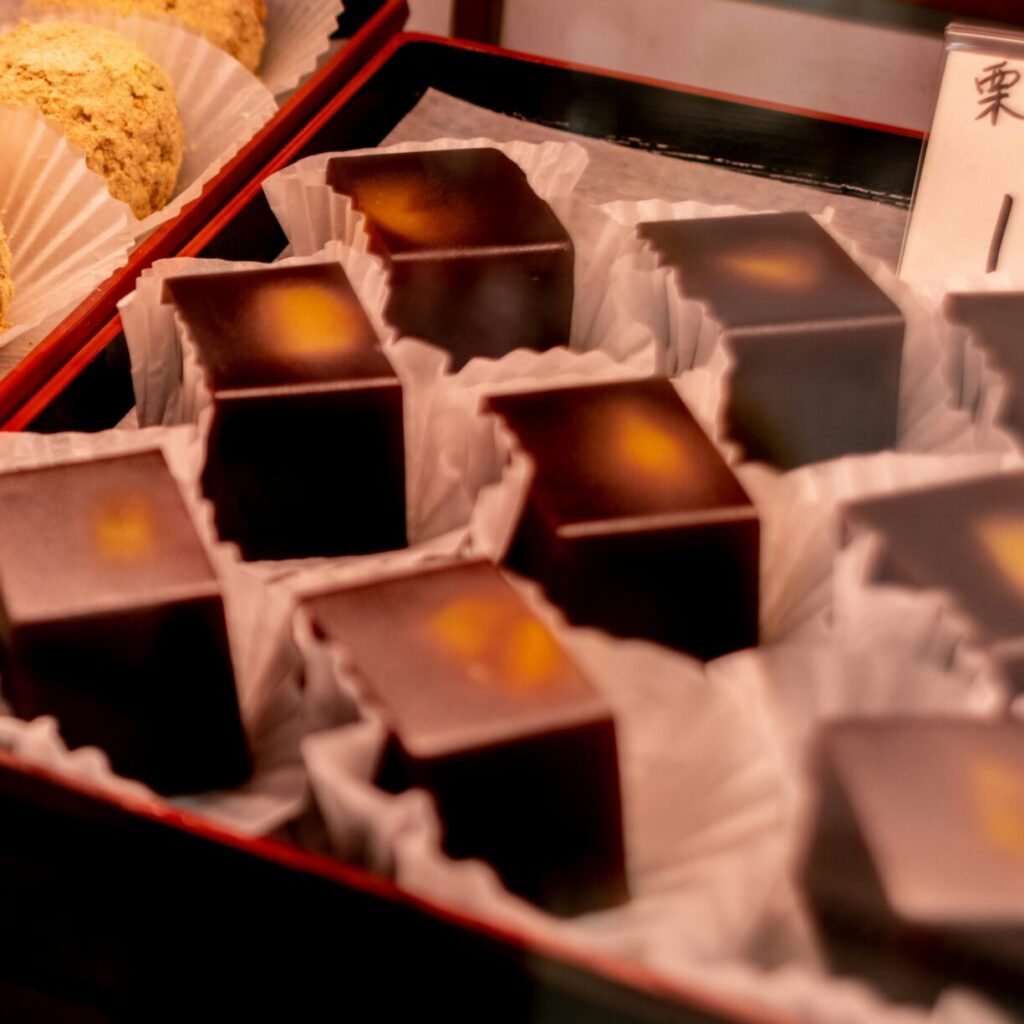
Yokan(羊羹)
A firm Japanese sweet made mainly from red bean paste, sugar, and agar. It has a smooth, jelly-like texture and is often sold in slices.
Warabi Mochi(わらび餅)
A soft, chewy sweet traditionally made with warabi starch. Because warabi starch is expensive, many commercial versions use other starches or blends instead.
Kuzumochi(くず餅)
A chewy Japanese sweet made with starch. Depending on the region, the type of starch can be different.
Kintsuba(きんつば)
A simple sweet made with a thick filling of sweet red bean paste and a thin outer layer. The outer layer is often made with wheat flour or other flour.
Sakura Mochi(桜餅)
A soft sweet rice cake filled with red bean paste and wrapped in a salted cherry leaf. The leaf gives it a gentle salty and cherry-like aroma.
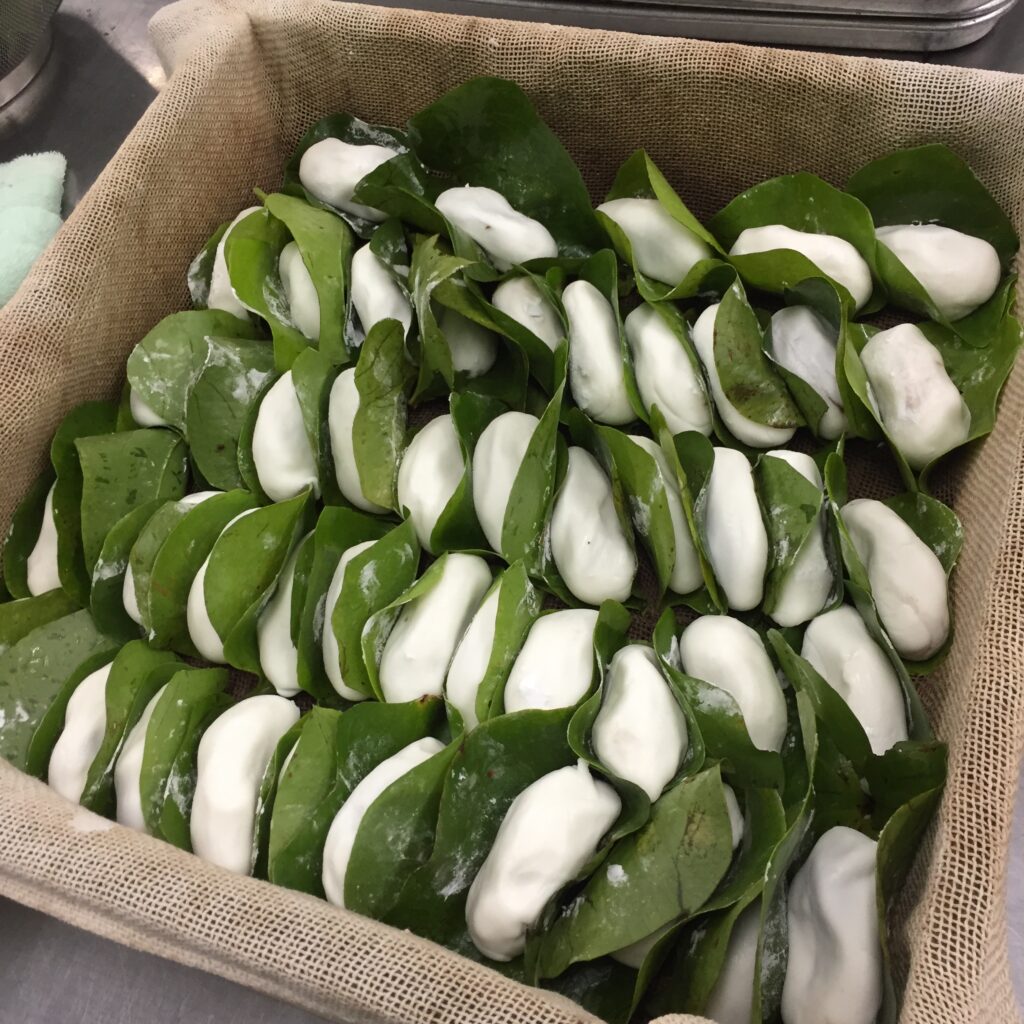
Kashiwa Mochi(柏餅)
A soft mochi filled with sweet red bean paste and wrapped in an oak leaf. It’s traditionally enjoyed around Children’s Day in May.
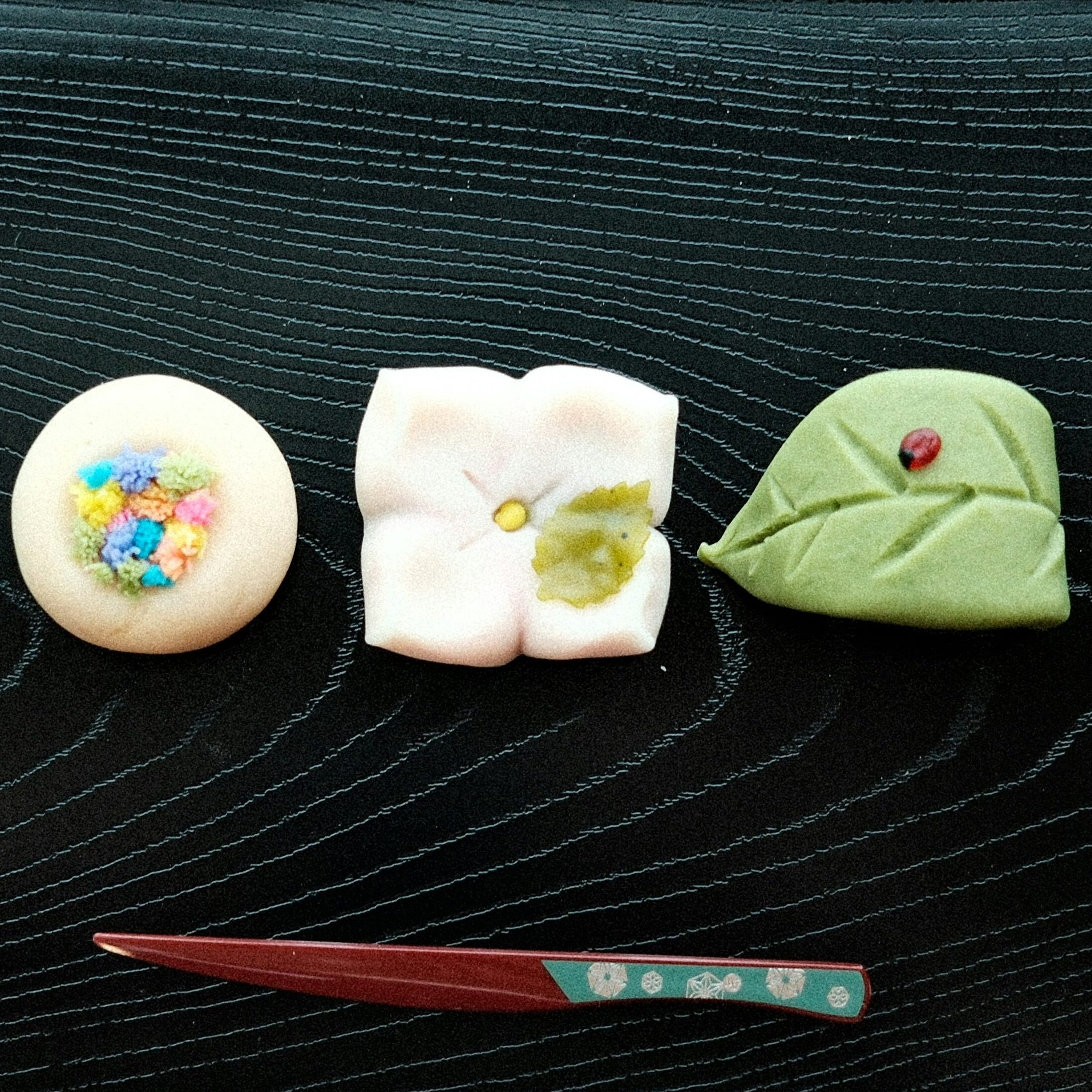
Nerikiri(練り切り)
A beautiful Japanese sweet made mainly from white bean paste and sugar. It’s often shaped into seasonal flowers, plants, and other designs.
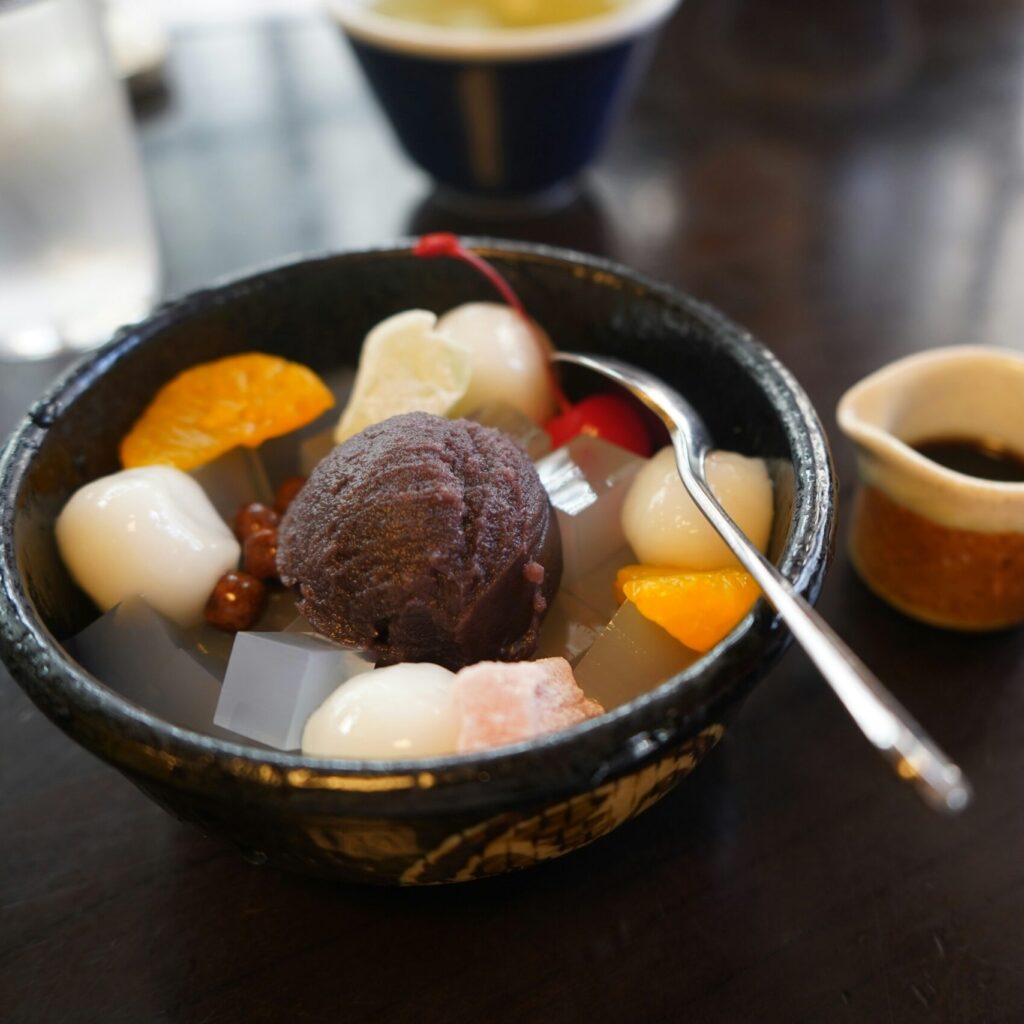
Anmitsu(あんみつ)
A Japanese dessert made with agar jelly, anko, fruit, and brown sugar syrup. It may also include shiratama or other toppings.
Cream Anmitsu(クリームあんみつ)
Anmitsu served with vanilla ice cream or other cream-based toppings. The combination of agar jelly, fruit, anko, and ice cream is popular in Japanese cafes.
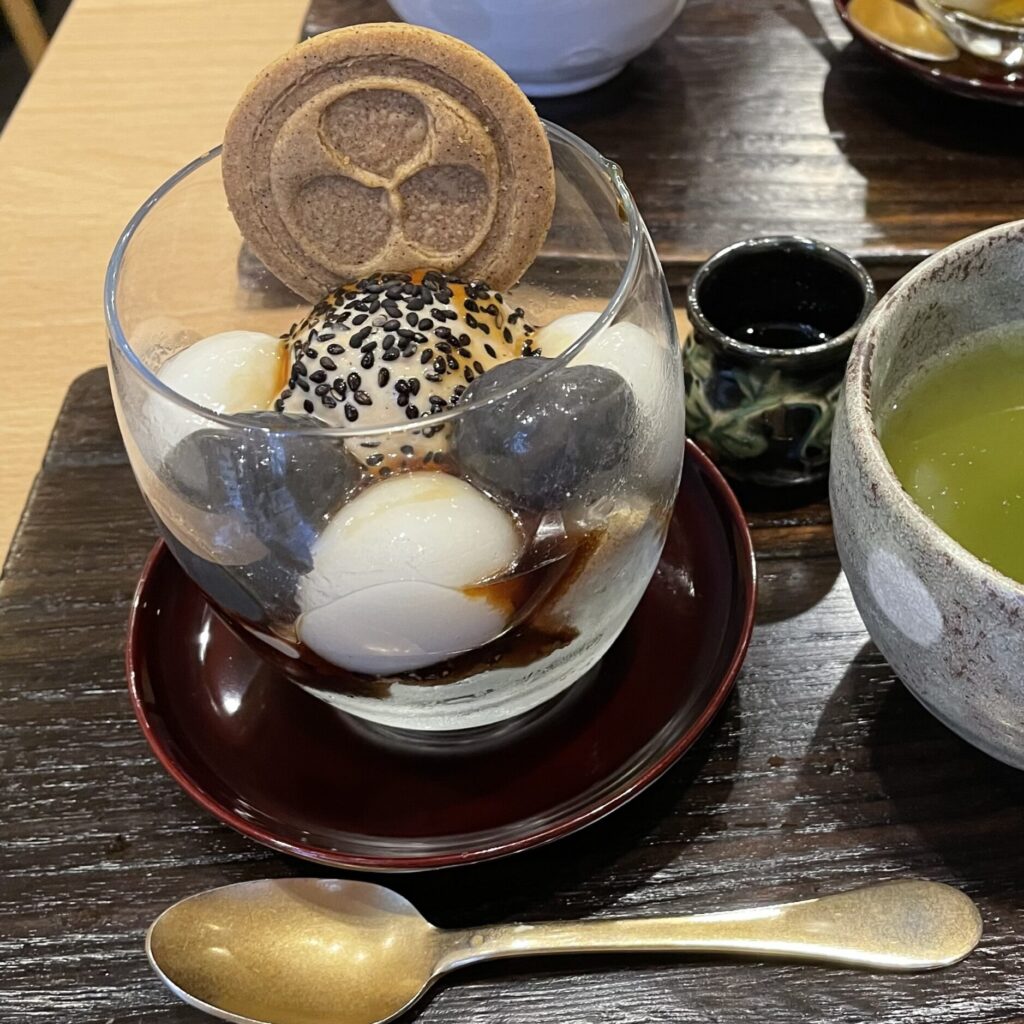
Shiratama(白玉)
Small chewy rice dumplings made from glutinous rice flour. They’re often served as a topping for Japanese desserts such as parfaits and shaved ice.
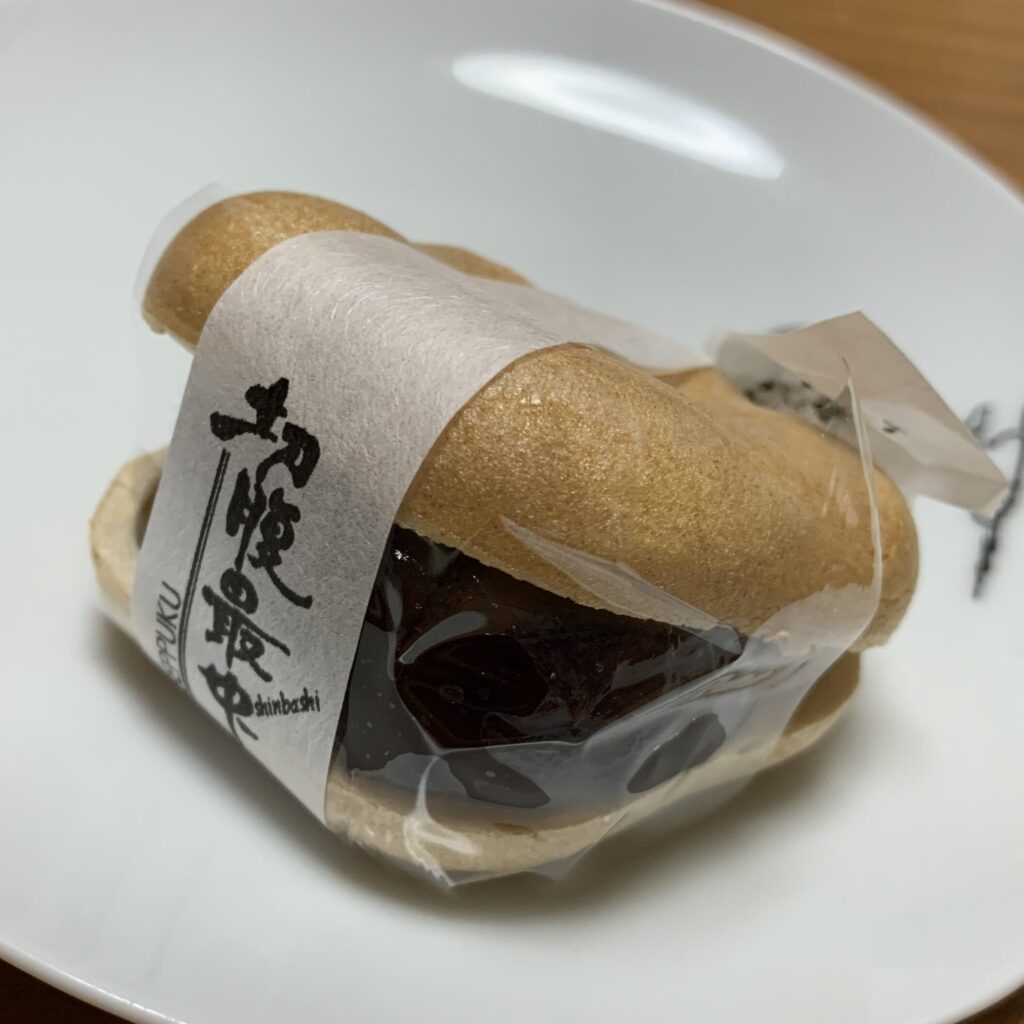
Monaka(最中)
A thin, crisp shell made from glutinous rice flour, filled with anko. The shells can have many shapes and designs.
Kohakutou(琥珀糖)
A colourful Japanese sugar candy made with agar and sugar. It has a crisp outside and a soft, jelly-like texture inside.
Manju(饅頭)
A small steamed or baked sweet with a filling, usually anko. The outer dough can be made with wheat flour, rice flour, or other ingredients depending on the type.
Uiro(ういろう)
A soft, chewy steamed sweet made mainly from rice flour and sugar. It is especially well known in places such as Nagoya.
Regional Japanese Sweets
Japan has many local sweets that are closely connected to the ingredients and food culture of each region.
Karinto Manju(かりんとう饅頭) — Tochigi
A manju with a crisp, deep-fried outer layer and a sweet red bean filling. It’s a popular local sweet in Tochigi.
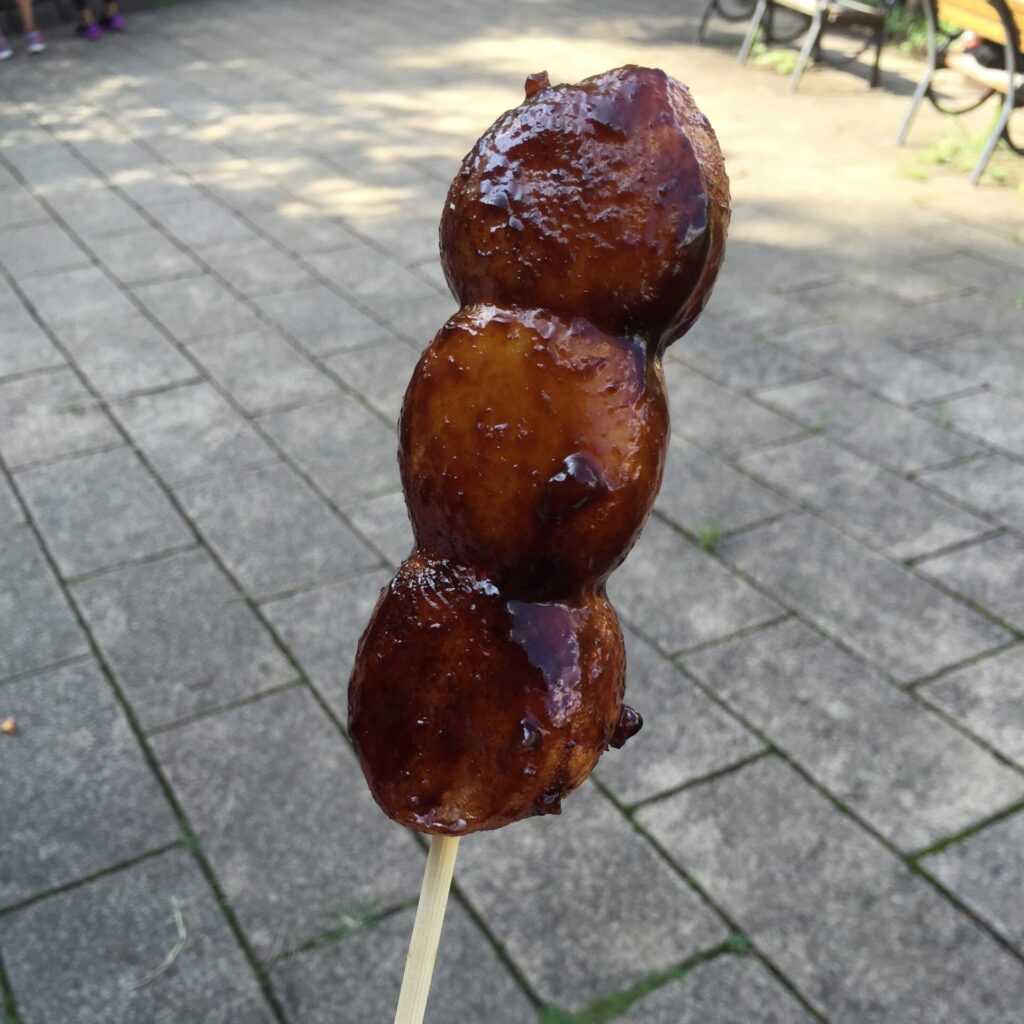
Yaki Manju(焼きまんじゅう) — Gunma
A soft, fermented bun grilled with a sweet miso sauce. It’s a well-known local specialty of Gunma.
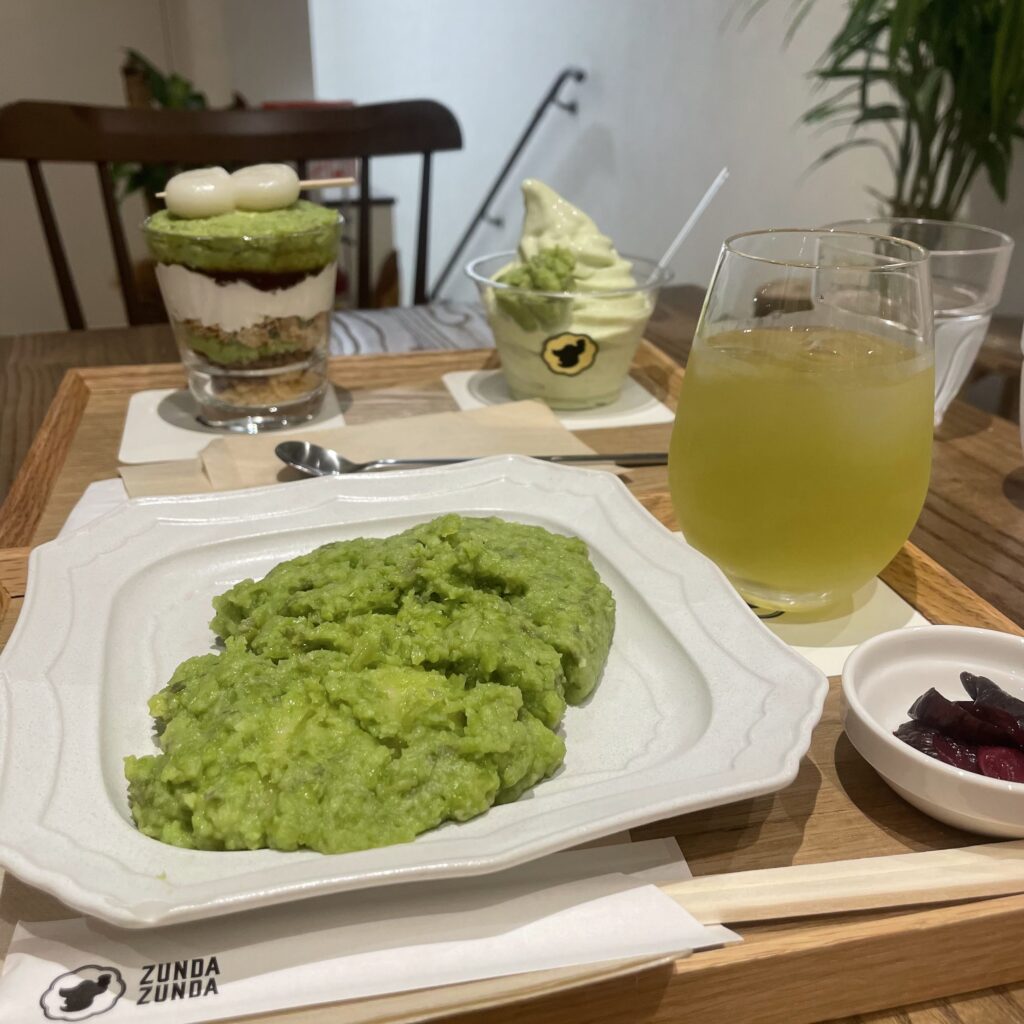
Zunda Mochi(ずんだ餅) — Miyagi
Mochi topped with sweet mashed edamame. It’s a well-known specialty of Miyagi and the Tohoku region.
Yatsuhashi(八つ橋) — Kyoto
A Kyoto sweet made with rice flour, sugar, and cinnamon. There are baked versions and soft nama yatsuhashi, which are often filled with anko.
Where Can You Buy Japanese Sweets?
Department store basements, often called “depachika” in Japan, are a great place to find many Japanese sweets in one area. They’re usually located on the basement floors of department stores!
You can also find wagashi shops in shopping streets, tourist areas, and around major stations🍡✨️
For an easy and affordable option, convenience stores also sell many Japanese sweets. This is a good way to try small portions without spending much👍️
Fresh Sweets or Convenience Store Sweets?
Fresh Japanese sweets from specialty shops often have a short shelf life. Some sweets, especially mochi-based sweets, can become harder and lose their best texture over time. Fresh sweets can also spoil more easily, so it’s a good idea to eat them as soon as possible
- Check the best-before date.
- Check whether the sweet should be kept at room temperature or refrigerated.
- If you’re travelling with it, check how long it can safely be kept outside the fridge.
Packaged sweets from convenience stores are often designed to keep their quality for longer, so they can be easier to store or enjoy later. The texture and flavour can be different from freshly made sweets.
Enjoy trying something new Japanese sweets! 🍡